+1 (604) 800-4009
Inside the atelier

Made in Canada with Italian leather: how a Variani belt is made

From a full-grain Italian hide to a finished belt in a box: the leather, the machines Bian built himself, and every step in the Vancouver atelier.

Cutting a black full-grain leather strap in the Variani atelier in Vancouver
The short answer

Every Variani belt is full-grain Italian cowhide, bought by Bian Variani from the same Italian tannery for about thirty years, then cut from one solid piece, punched, finished and fitted with a solid stainless steel buckle by hand in his Vancouver atelier. The leather is Italian; the belt is made in Canada.

  • Leather: full-grain, from Italy
  • Made: by hand in Vancouver
  • One solid piece, never layered
  • Solid stainless steel buckle
On this page
  1. One maker, one atelier
  2. It starts in Italy: the leather
  3. From hide to belt, in Vancouver
  4. The buckle: engineering, not decoration
  5. Made in Canada, with Italian leather
  6. FAQ

01One maker, one atelier

Variani is not a brand that buys belts and stitches a logo on them. It is one person, in one atelier in Vancouver, making one object properly.

I trained in fashion in London and Milan and spent years dressing clients for black-tie events, where you learn very quickly that the details people notice are the ones that fail. Then I spent years in mechanical engineering and metalwork. Variani is where the two meet: a belt designed like a garment and built like a tool.
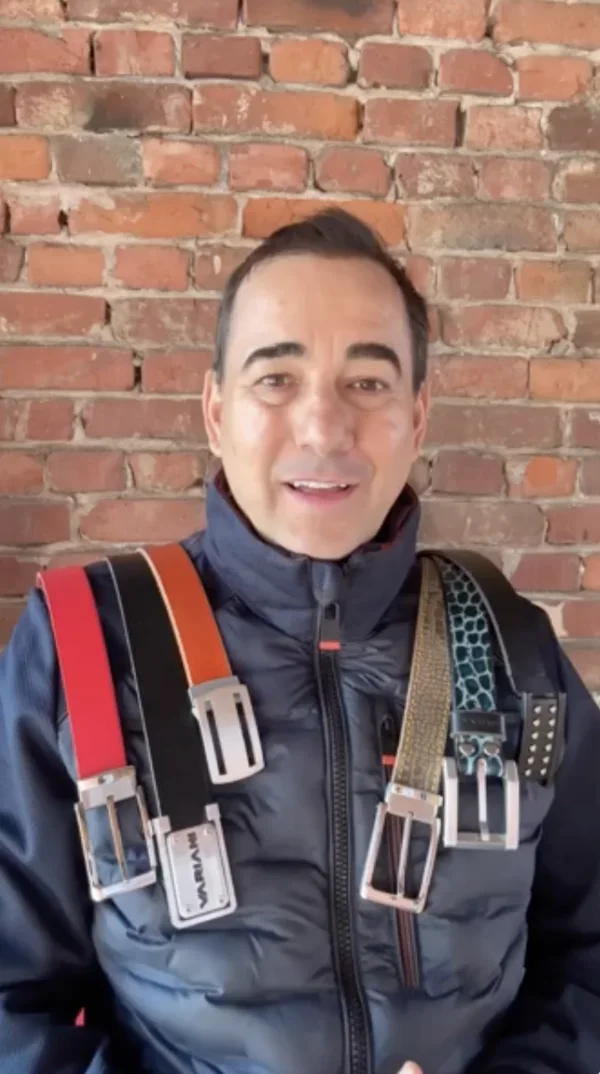
Bian Variani wearing several of his handmade Variani belts
Bian Variani with a handful of finished belts.

02It starts in Italy: the leather

Every Variani belt is full-grain Italian cowhide, the top layer of the hide with nothing sanded off and nothing painted on. I have bought it in person from the same Italian tannery for about thirty years, which means I know how each leather behaves before it ever reaches the bench.
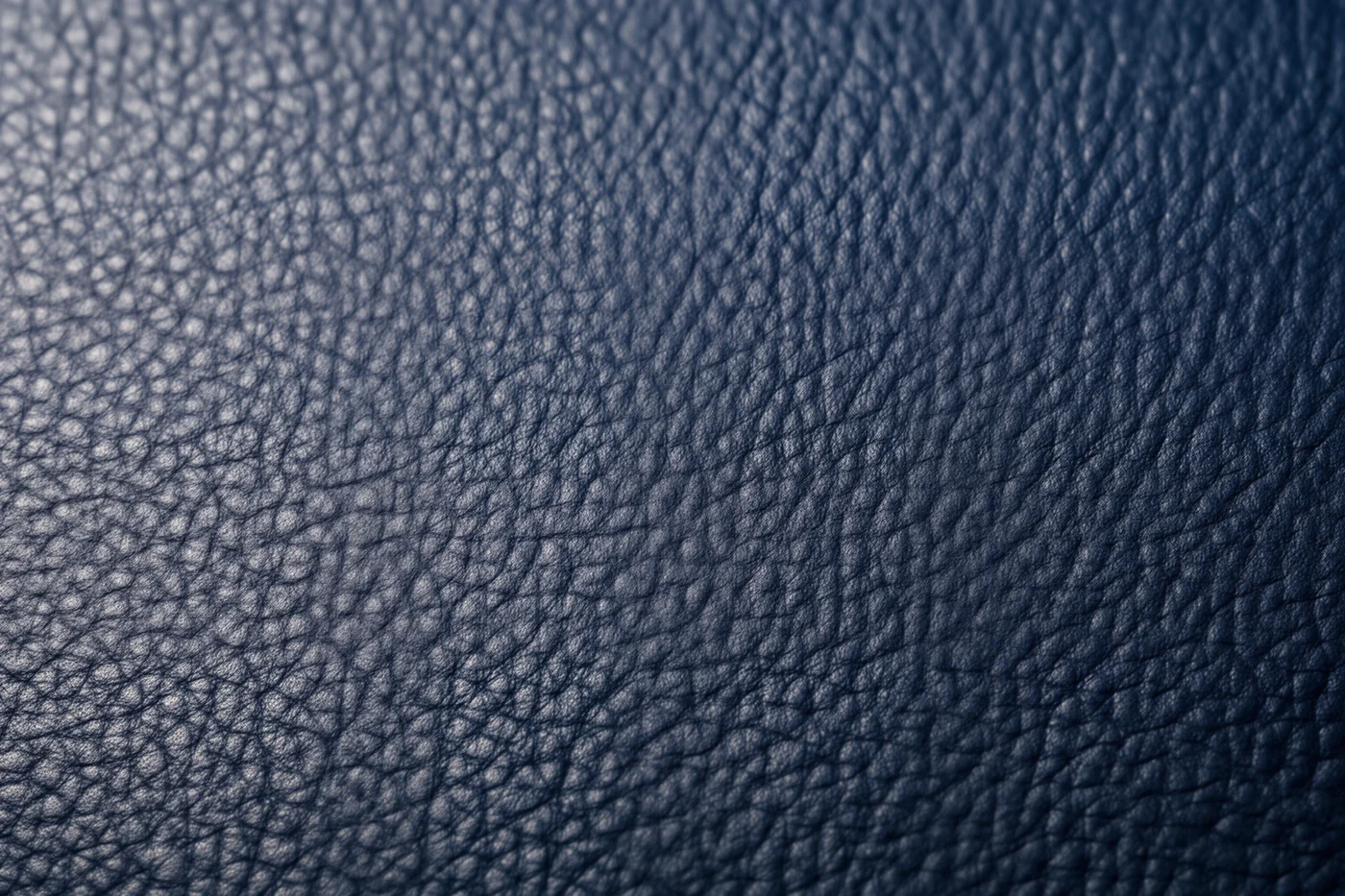
Full-grain Italian leather surface up close
The natural grain surface. This is what Variani straps are cut from, with no coating on top.

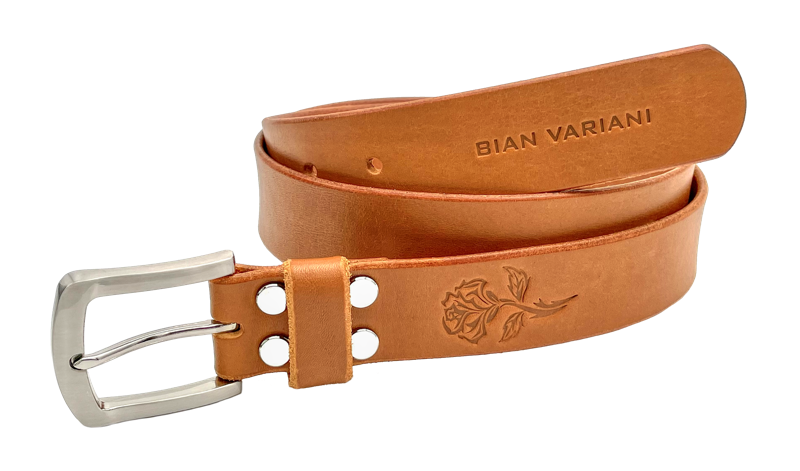
Some models are cut from heavyweight 10 oz leather. Colours range from black and natural tan to slate blue, teal, magenta and Ferrari red, with alligator and suede gator patterns on the limited pieces.

03From hide to belt, in Vancouver

These photographs are from the atelier. Several of the machines in them were designed and built by hand for this one job.
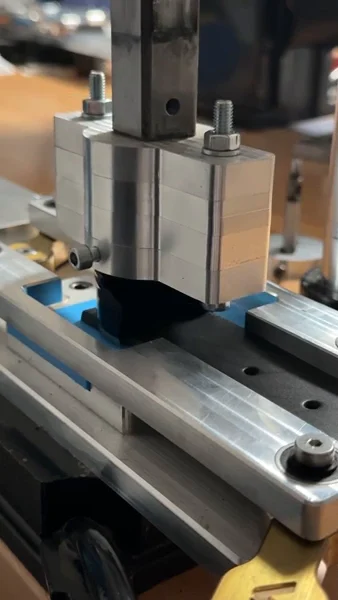
Cutting the tip of a black leather strap on a press in the Variani atelier
1. Cutting. Each strap is cut from one solid piece; the press shapes the tip cleanly.
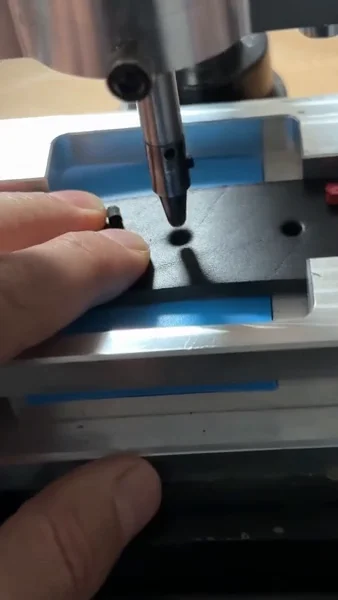
Punching belt holes using a jig in the Variani atelier
2. Punching. A jig sets every hole in the same place on every belt.
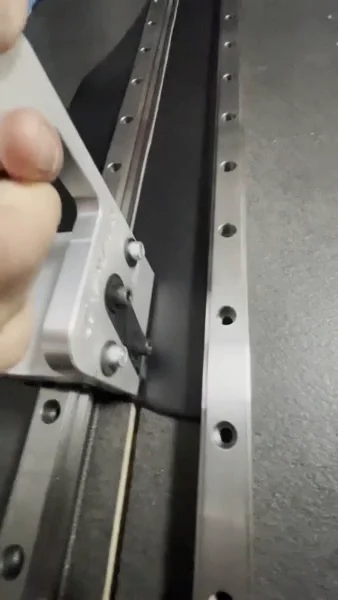
A leather strap being guided along a metal rail in the Variani atelier
3. Shaping and finishing along a guided rail.
  1. Choose the leatherFull-grain Italian cowhide, selected for an even grain and a long, clean run for the strap.
  2. Cut from one pieceEach strap is cut from a single solid piece of hide. Nothing is layered, glued or backed.
  3. Shape the tip and punch the holesOn jigs built in the atelier, so every hole lines up and stays round under load.
  4. Finish the edgesEdges are finished by hand so they are smooth and sealed rather than painted.
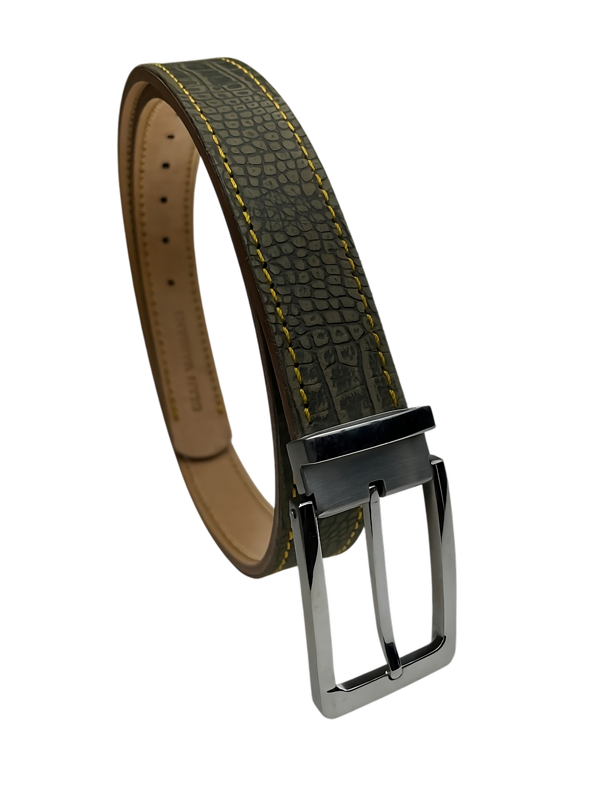
  5. Stitch, where the design calls for itOn the alligator-pattern #VAR001, every stitch of the heavy yellow thread is placed by hand.
  6. Stamp and fit the buckleThe Bian Variani maker's stamp goes near the tip, and a solid stainless steel buckle is fitted.
  7. Check, pack and shipEvery belt is inspected, packed with a travel bag and buckle sheath, and shipped free with tracking.
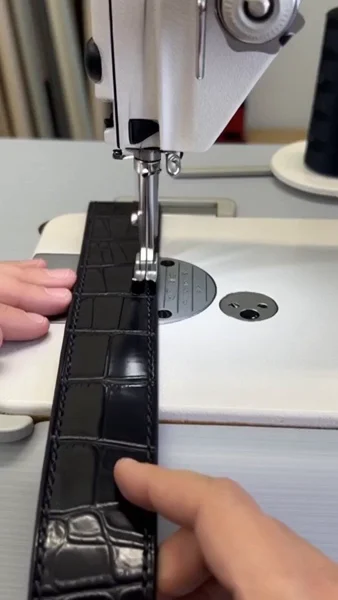
Stitching an alligator-pattern leather belt in the Variani atelier
Stitching an alligator-pattern strap.

04The buckle: engineering, not decoration
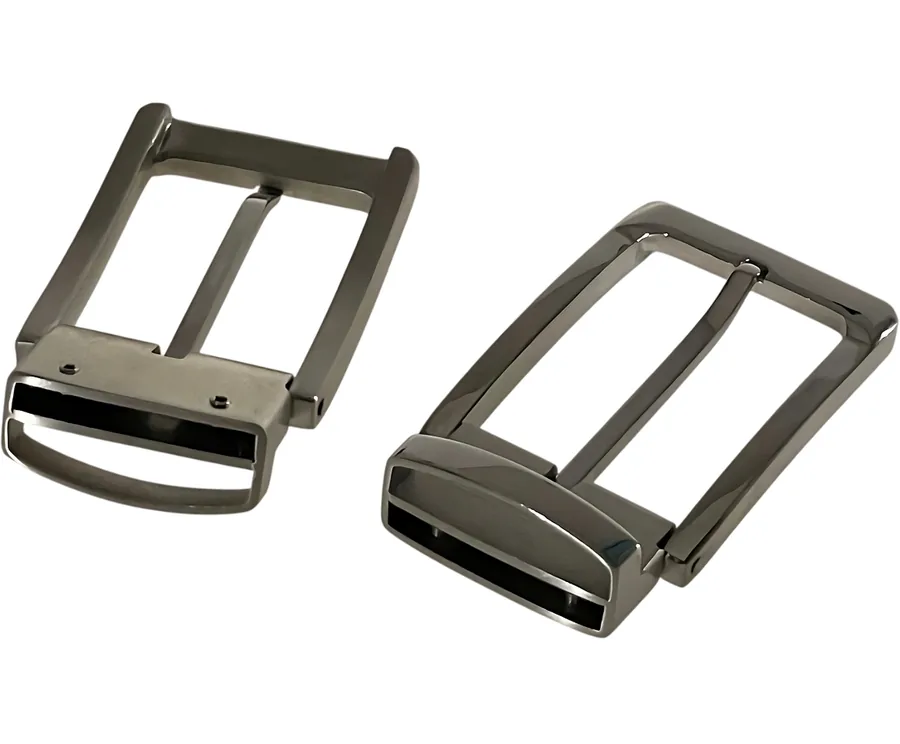
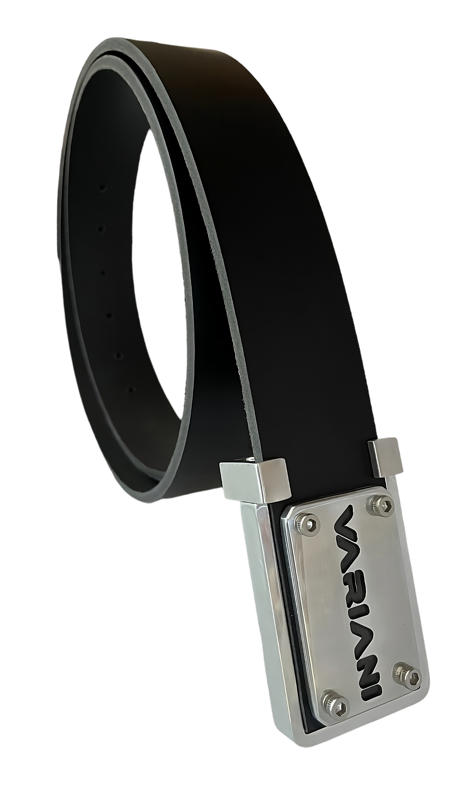
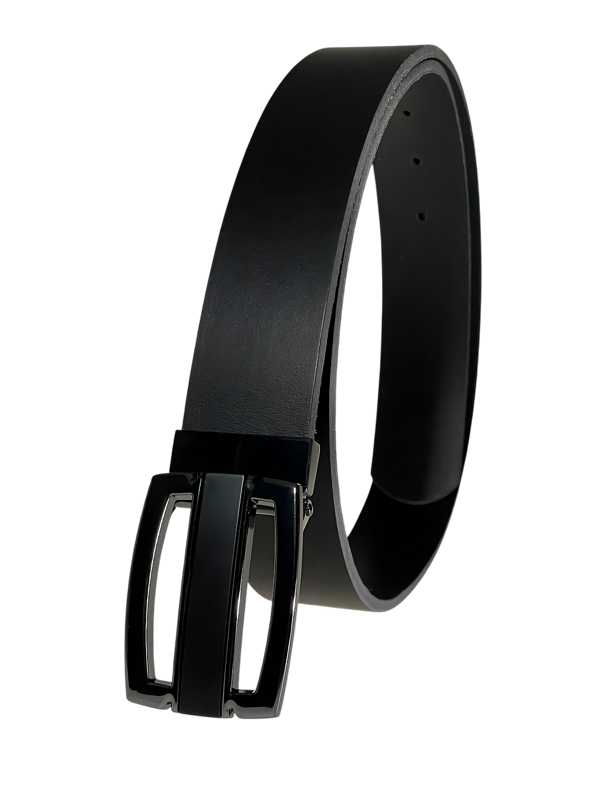
Two Variani stainless steel buckles
Solid stainless steel: the same metal all the way through.

Most belt buckles are zinc alloy with a thin plated skin, which is why they go dull and pitted. Every Variani buckle is solid hypoallergenic stainless steel, so there is no plating to wear through and nothing to irritate skin. On the limited-edition #VAR016, the buckle is precision-machined on a CNC machine rather than stamped or cast.

05Made in Canada, with Italian leather

ItalyFull-grain cowhide, same tannery for about 30 years
VancouverDesigned, cut, punched, finished and assembled
1 makerBian Variani, from hide to box
26 to 58Every even size, 1 3/8 in wide

The leather is Italian because Italian tanneries are among the best in the world at full-grain cowhide. Everything else happens in Vancouver: the design, the tools, the cutting, punching, finishing, buckle fitting and the final check. That is what "made in Canada" means here.

If you are in Vancouver, read about custom leather belts in Vancouver; anywhere else in Canada, see handmade leather belts made in Canada.

I design a belt the way I would cut a suit, and build it the way I would build a machine.Bian Variani
FAQ

Questions, answered

Still unsure? Call or text Bian on +1 (604) 800-4009 or email info@variani.com.

Where are Variani belts made?

In Vancouver, British Columbia, Canada, in Bian Variani's atelier at 1231 Pacific Blvd. Every belt is cut and finished there by hand.

Where does Variani leather come from?

Italy. Bian Variani has bought full-grain cowhide in person from the same Italian tannery for about thirty years.

Is a belt made in Canada with Italian leather really made in Canada?

Yes. The leather is Italian, and the belt itself is designed, cut, punched, finished and assembled in Vancouver. Variani is a one-person atelier, not a reseller of imported belts.

Does Bian make his own tools?

Yes. Bian's background is mechanical engineering and metalwork, and he builds the jigs and machines used to cut and punch Variani straps, as shown on this page.

How long does it take to make a Variani belt?

Every belt is made to order by hand. Once your order is confirmed, Bian will tell you when it will ship; delivery in Canada and the US is usually 3 to 7 business days after dispatch.

Bian Variani wearing several of his handmade leather belts
Written by

Bian Variani

Designer and leather artisan. Trained in fashion in London and Milan, dressed clients for black-tie events, then spent years in mechanical engineering and metalwork before turning everything he learned to one object: the belt. He has bought his leather in person from the same Italian tannery for about thirty years and makes every Variani belt by hand in Vancouver. About the atelier

Variani

One belt, made properly, for decades of wear.

Full-grain Italian leather, cut from one piece by hand in Vancouver. Every even size from 26 to 58, solid stainless steel buckle, free tracked shipping.

Free tracked shippingTravel bag and buckle sheath included30-day satisfaction guaranteeMade by hand in Vancouver