+1 (604) 800-4009
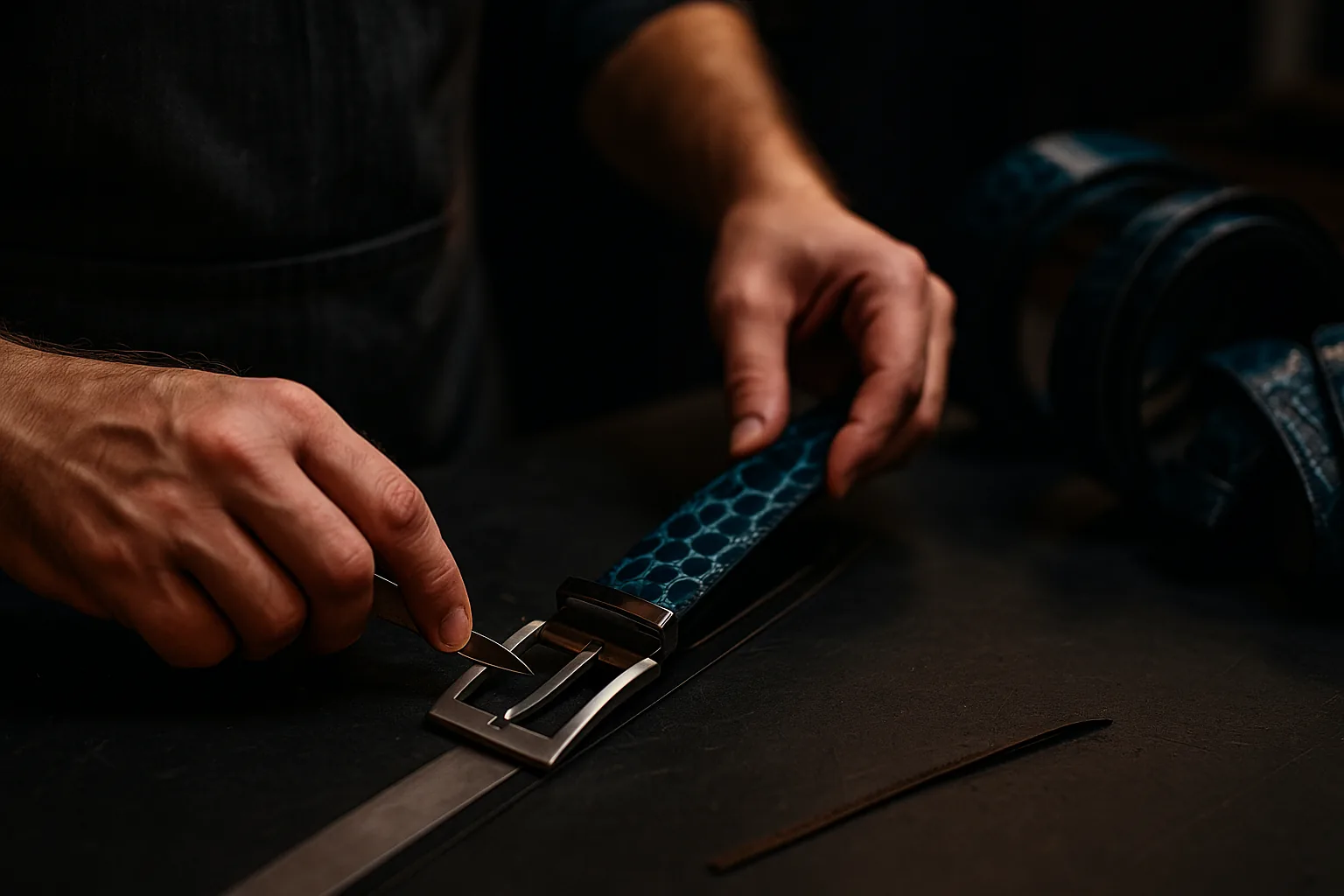
Bian Variani finishing a full-grain leather belt by hand in the Vancouver workshop
Luxury leather belts by Bian Variani · Nunavut

Full-grain leather belts for Nunavut, built to last.

When every delivery takes time, a belt should not need replacing. A single piece of full-grain Italian leather and a solid stainless steel buckle, made to be worn for years.

  • 100% solid full-grain Italian cowhide
  • Solid stainless steel buckle
  • Sizes 26 to 58
  • Free tracked shipping to NU
The short answer

Variani makes single-piece full-grain Italian leather belts by hand in Vancouver, with solid hypoallergenic stainless steel buckles. Shipping to Nunavut is free and tracked, but deliveries to fly-in communities usually take longer than the 3 to 7 business days typical in southern Canada. From $149 USD.

Variani at a glance for Nunavut

Designer
Bian Variani, luxury leather belt designer, Vancouver atelier
Leather
100% full-grain aniline Italian cowhide, one solid piece: no bonded layers, filler or painted coating
Width
1 3/8 inch, fits dress trouser loops and jeans
Sizes
Every even waist size from 26 to 58
Buckle
Solid hypoallergenic stainless steel, no plating
Price
$149, $199 or $349 USD depending on model
Shipping
Free and tracked across Canada, usually 3 to 7 business days, no duty
Returns
Limited 30-day conditional satisfaction guarantee
Included
Travel bag and buckle sheath
Worth the flight north

In Nunavut, a belt that falls apart is more than a nuisance

Fed up with ordering a belt, waiting on the plane, and watching it split or peel within months? Every one of those failures is a corner someone cut, and as a luxury designer Bian Variani cuts none. His belts are 100% solid, real, thick cowhide, made tough and made to last a lifetime.

Every time a belt wears out, I wait weeks for the next one to fly in.

The shortcut
No road links any Nunavut community to the south, so almost everything arrives by air, and a belt built down to a price means another order and another long wait. Those throwaway belts also pile up where there is nowhere easy to send waste.
The Variani way
The classy answer is to buy once. Bian goes to Santa Croce, Tuscany, to feel and choose each hide himself at the tannery he has dealt with for about 30 years, rejects most of what he sees, and makes a belt meant to last a lifetime.

Out on the land in January, my belt froze stiff and split across the front.

The shortcut
Low-grade belts lean on a plastic finish because it is cheaper than real leather, and in Arctic wind chill that finish turns hard as glass. Bend it while frozen and it breaks instead of flexing.
The Variani way
We will not use a coating at all. A Variani strap is one solid piece of thick cowhide, and although leather does stiffen in deep cold, a frozen belt given time to warm up inside bends again without harm.

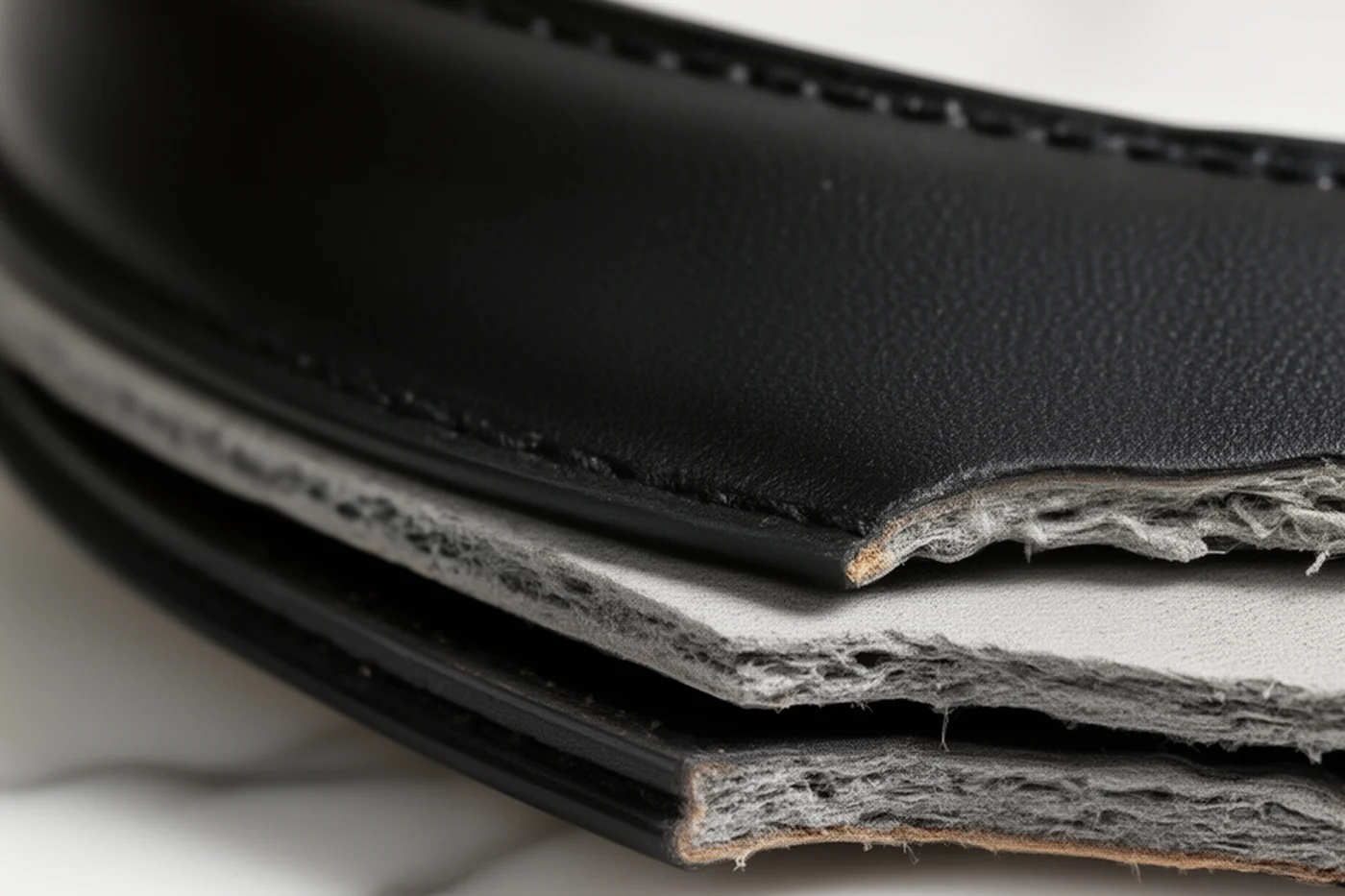
The edge opened up and I could see the layers inside.

The shortcut
Laminating thin sheets with glue is the quick way to make a belt look thick, and repeated freezing and thawing breaks that glue down. Snow melting on your clothes in a warm house gets into the seam and finishes the job.
The Variani way
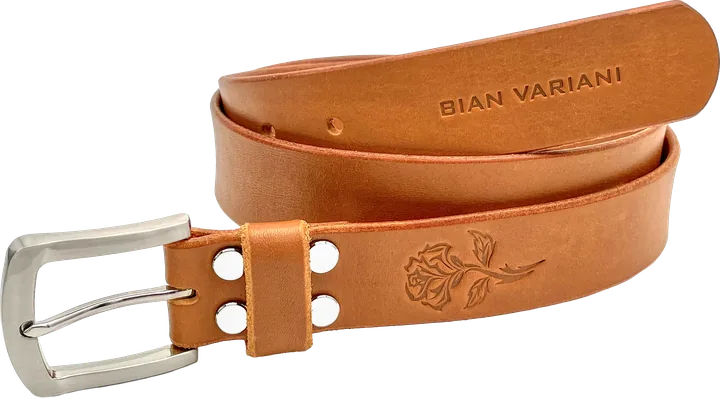
Bian refuses that shortcut: each strap is cut whole from one piece of hide, with no bonded layers, no cardboard filler and no glue line. The edges are sealed by hand with natural beeswax, roughly fifteen minutes of burnishing per belt, and designs such as #VAR012, #VAR013 and #VAR015 are a full 10 oz straight through.

The finish rubbed off my buckle within a season and it started to pit.

The shortcut
A thin shiny layer over zinc alloy costs far less than solid metal, and sea spray, grit and constant handling with gloves soon wear it through. What lies underneath corrodes and marks the leather.
The Variani way
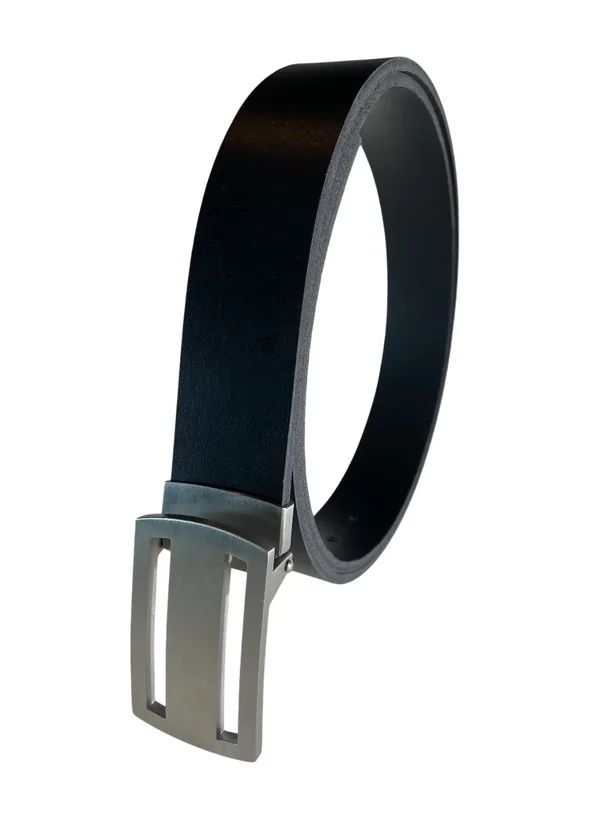
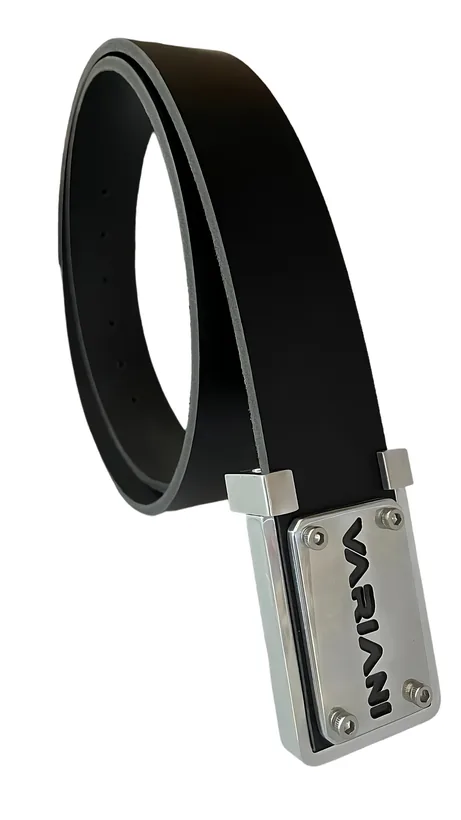
Every buckle is solid 316L stainless steel, with no plating anywhere to lose. The #VAR016 buckle is CNC-machined from solid metal and #VAR015 takes its shape from a guitar pickup, details from a designer who also trained in mechanical engineering and metalworking.

My belt folds over at the back and curls at the edges.

The shortcut
A thin, soft strap saves material and shows it the first time you wear it with anything on your hip. Heavy mitts tugging at it every day only speed the slump.
The Variani way
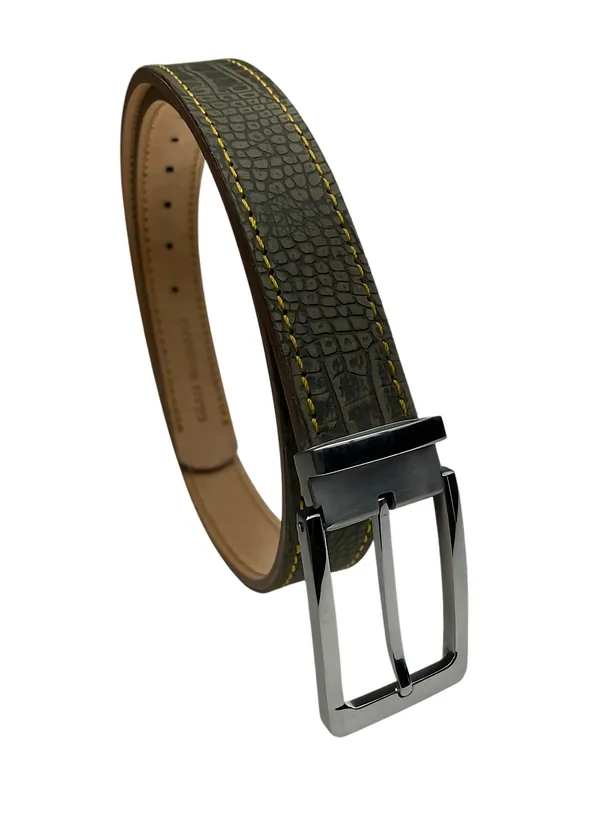
We cut heavyweight straps, some of them 10 oz, that hold a clean, straight line. The #VAR001 thick gun belt, hand stitched in heavy yellow thread without electricity, is the most substantial piece Bian makes.

My favourite hole has worn into a tear.

The shortcut
Weak leather is cheaper to buy, and it stretches under the tongue until the hole becomes an oval, then a slot. A belt pulled snug over layers every morning gets there quickly.
The Variani way
We use only the dense top layer of the hide, its strongest part, and keep the straps generous. The holes keep their neat, round shape for years.

Why does every belt I own crack in the same place, right at the fold?

The shortcut
Sanding off the natural grain and spraying on a new face is a cheap way to hide flaws, and it leaves leather that cannot flex. Dry heated air through the long polar night draws out the rest of its moisture.
The Variani way
Full-grain keeps its natural surface, so the fold moves the way fine leather should. A light conditioning once or twice a year keeps it supple through the dark months.

Bits of colour keep flaking off my belt onto the floor.

The shortcut
Painting a weak split is how a cheap belt borrows the look of good leather. Rub it against snow pants and a parka hem all winter and the paint gives up.
The Variani way
Our aniline leather carries its colour all the way through, with nothing painted on top. It will deepen and mark with wear, and that patina is the signature of real leather.

I paid for leather and got something that looks like cardboard at the edge.

The shortcut
Did you know genuine leather means, in practice, fake leather? It is the lowest grade sold, frequently shredded leather painted and stamped with a grain, and when you shop from Iqaluit or Cambridge Bay you seldom get to hold a belt before it arrives.
The Variani way
We tell you exactly what you are getting: 100% solid, real, thick cowhide, full-grain aniline Italian leather in one piece. No filler, no bonded layers, no coating, and you can check it yourself with the list below.

Medium is too tight over layers and large hangs off me.

The shortcut
Letter sizes let a maker skip a proper range, and they never account for what you wear underneath in winter. Sending the wrong size back from the Arctic takes time.
The Variani way
We make every even waist size from 26 to 58, so you choose a real measurement, not a guess. Between sizes, take the larger and you will have room for winter layers.

I want one belt for the office and the weekend, and I only have room to pack one.

The shortcut
Dress belts are often too narrow to sit right on jeans, and casual belts are too broad for trouser loops. That means travelling with two belts every time.
The Variani way
All our belts are 1 3/8 inch wide, a width Bian chose so one belt is strong enough for a tool belt and beautiful enough for your best suit. It suits a meeting in Iqaluit and a trip out on the sea ice equally well.

My skin gets red and sore right under the buckle.

The shortcut
Plated alloy buckles can contain nickel, and once the plating wears it sits against skin for hours beneath several layers. Warmth and a little sweat make the reaction worse.
The Variani way
Every Variani buckle is solid hypoallergenic 316L stainless steel, an alloy from the family used in medical implants, never plated metal. With no coating to wear through, it is kinder to sensitive skin.
Built for Nunavut

Order once. Wear it for years.

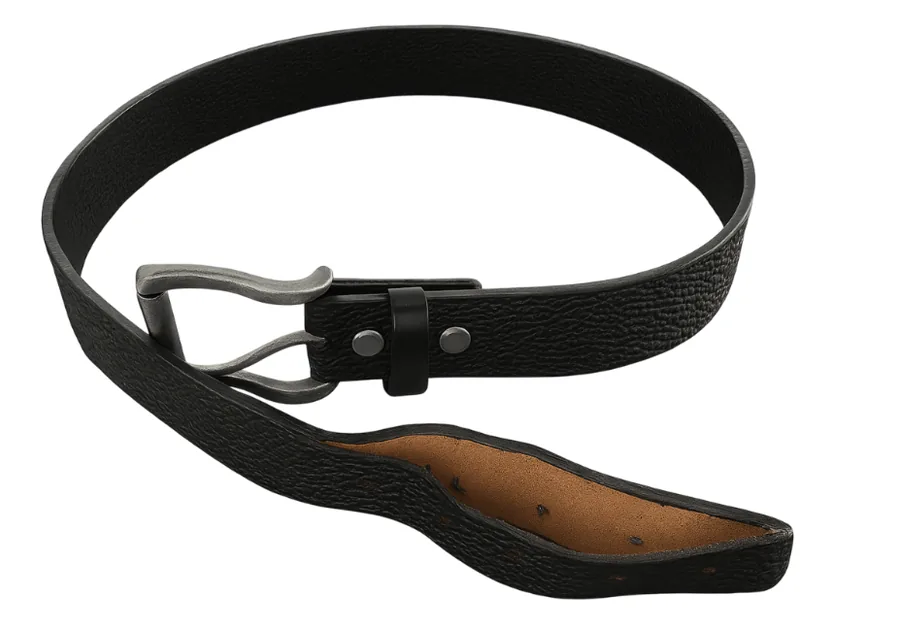
In Nunavut, a belt that fails is not a small problem, because a replacement is a long wait away. The belts that fail are the cheap ones: bonded leather with a painted coat that cracks in the cold and peels in a season, and plated buckles that wear through.

Variani belts are one thick piece of full-grain Italian leather with no coating and no glued layers, with a solid stainless steel buckle. They are made to be ordered once and worn for years.

Freetracked shipping to every NU address
26 to 58every even waist size
0glued layers, painted coats or plated buckles
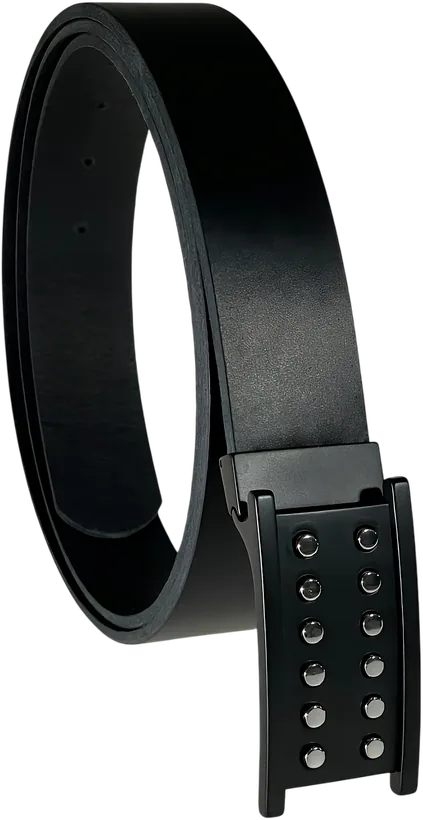
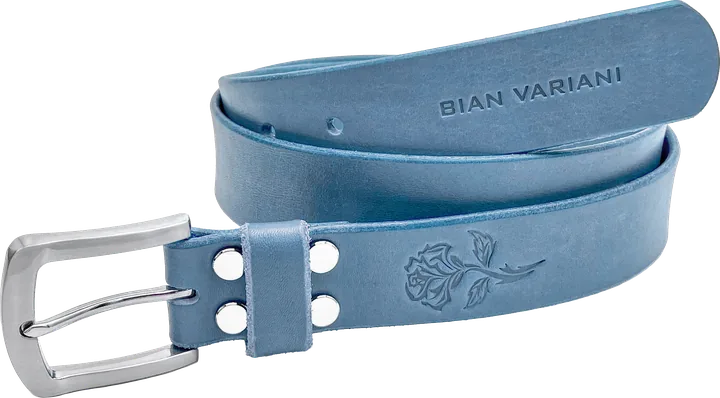
Variani #VAR015 handmade full-grain leather belt

Extreme cold

Full-grain leather stiffens but does not crack. Warm it before bending and condition before winter.

Fly-in delivery

Free tracked shipping. Allow more time than the southern 3 to 7 business days.

Everyday gear

Heavyweight straps like #VAR012 carry a knife, radio or tools without stretching.

Where we deliver in Nunavut

Every order leaves the Vancouver workshop with tracking, free, and with no duty to pay. Most Canadian orders arrive in 3 to 7 business days; remote and fly-in communities can take longer. Some of the places we ship to:

  • Iqaluit
  • Rankin Inlet
  • Arviat
  • Baker Lake
  • Cambridge Bay
  • Igloolik
  • Pond Inlet
  • Pangnirtung
  • Kugluktuk
  • Cape Dorset (Kinngait)
  • Gjoa Haven
  • Clyde River
What you are actually buying

What is really inside a leather belt, layer by layer

Sick of paying leather prices for something that is barely leather? Every hide is sliced into layers, and each step down from the top is a corner cut that an Arctic winter will find.

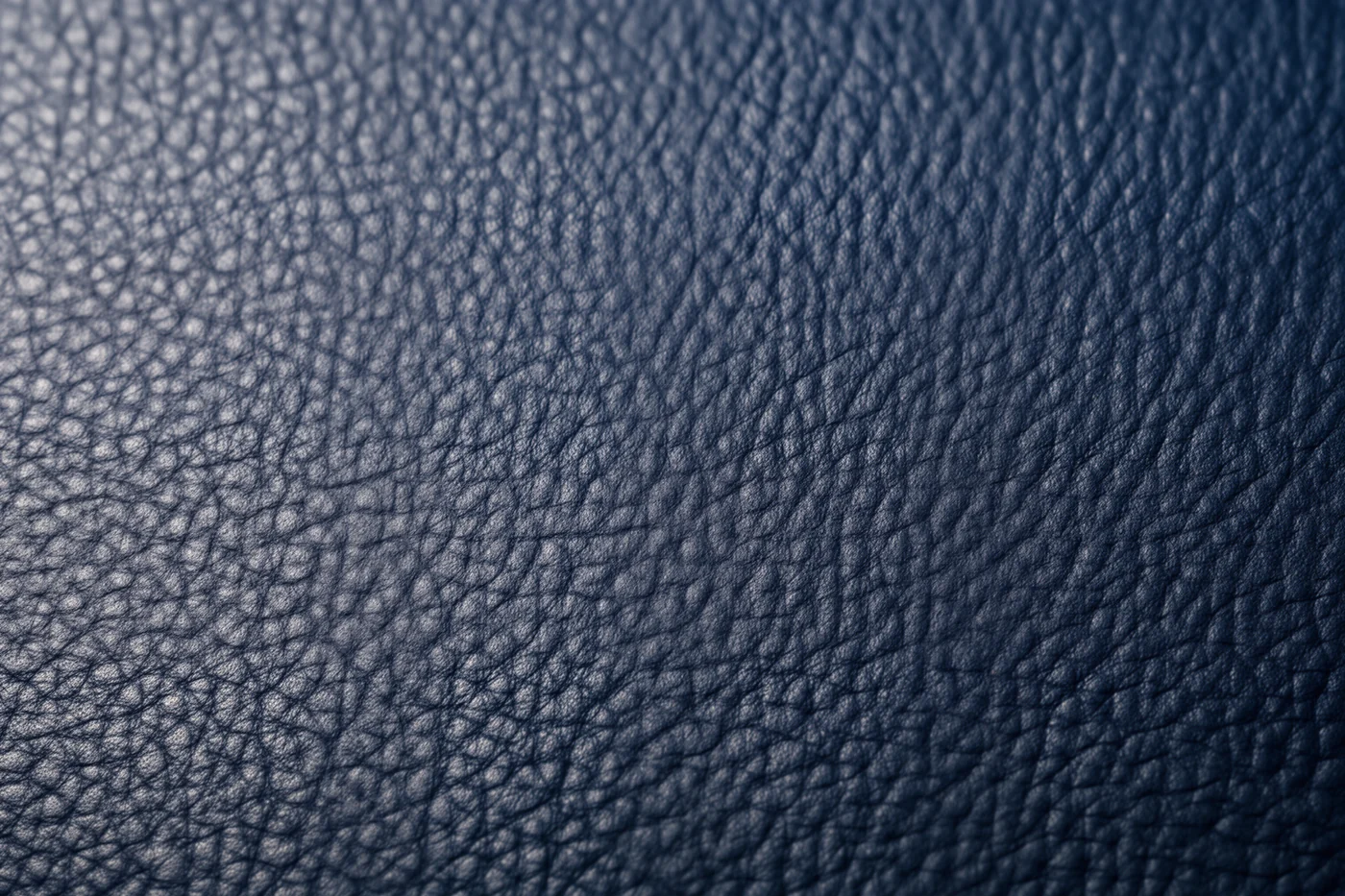
Macro photograph of slate blue full-grain leather showing natural pores and creases
What Variani uses

Full-grain

The top 1-2% of the hide, left with its natural surface. It is the densest, toughest layer, the only one Bian uses, and it slowly builds a patina.

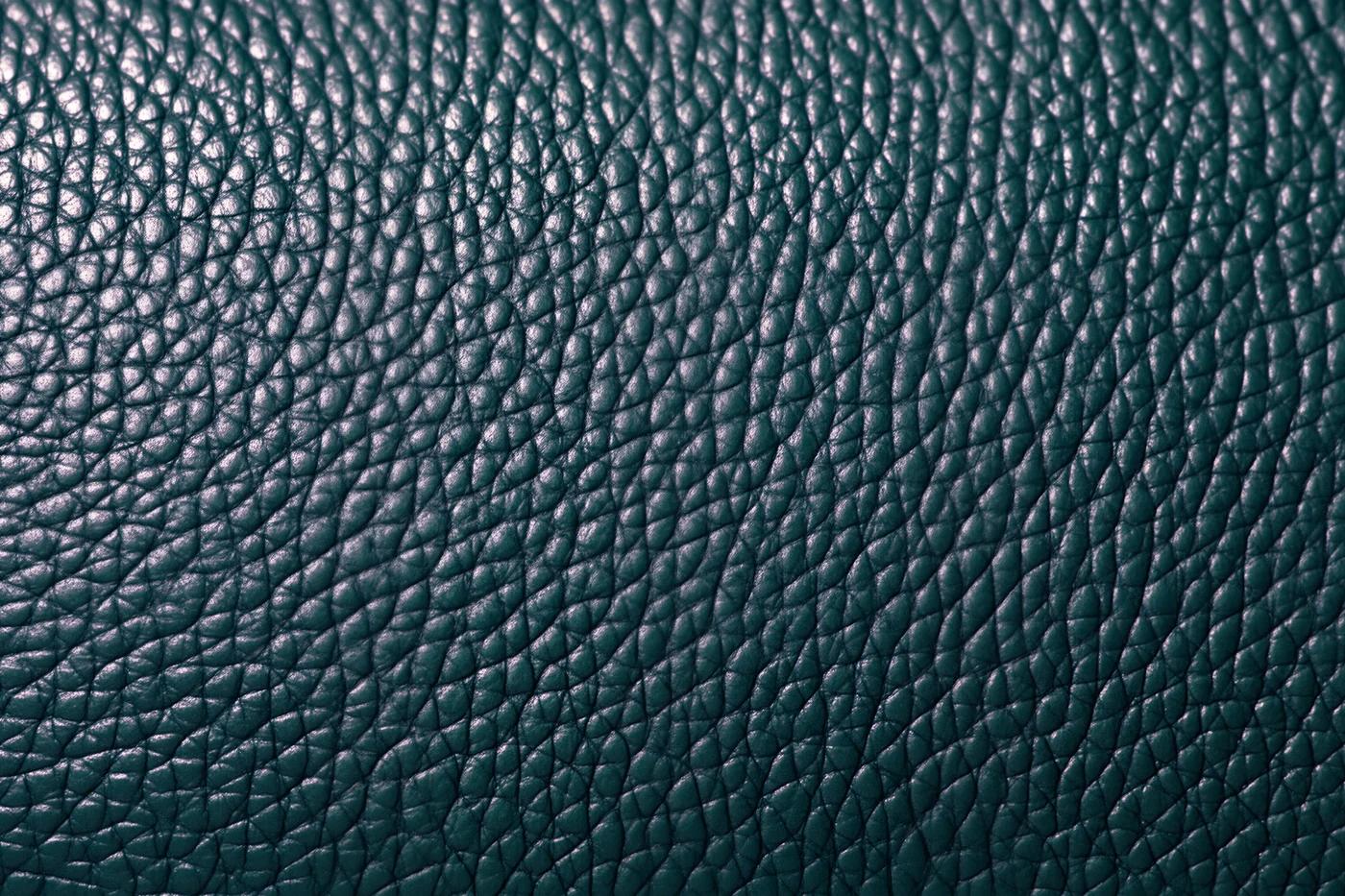
Close-up of corrected-grain leather with a uniform stamped pattern and sprayed finish
What we refuse

Top-grain or corrected

The natural surface is sanded off, then coated and often pressed with an artificial grain. It gives up much of the strength that made the hide worth using.

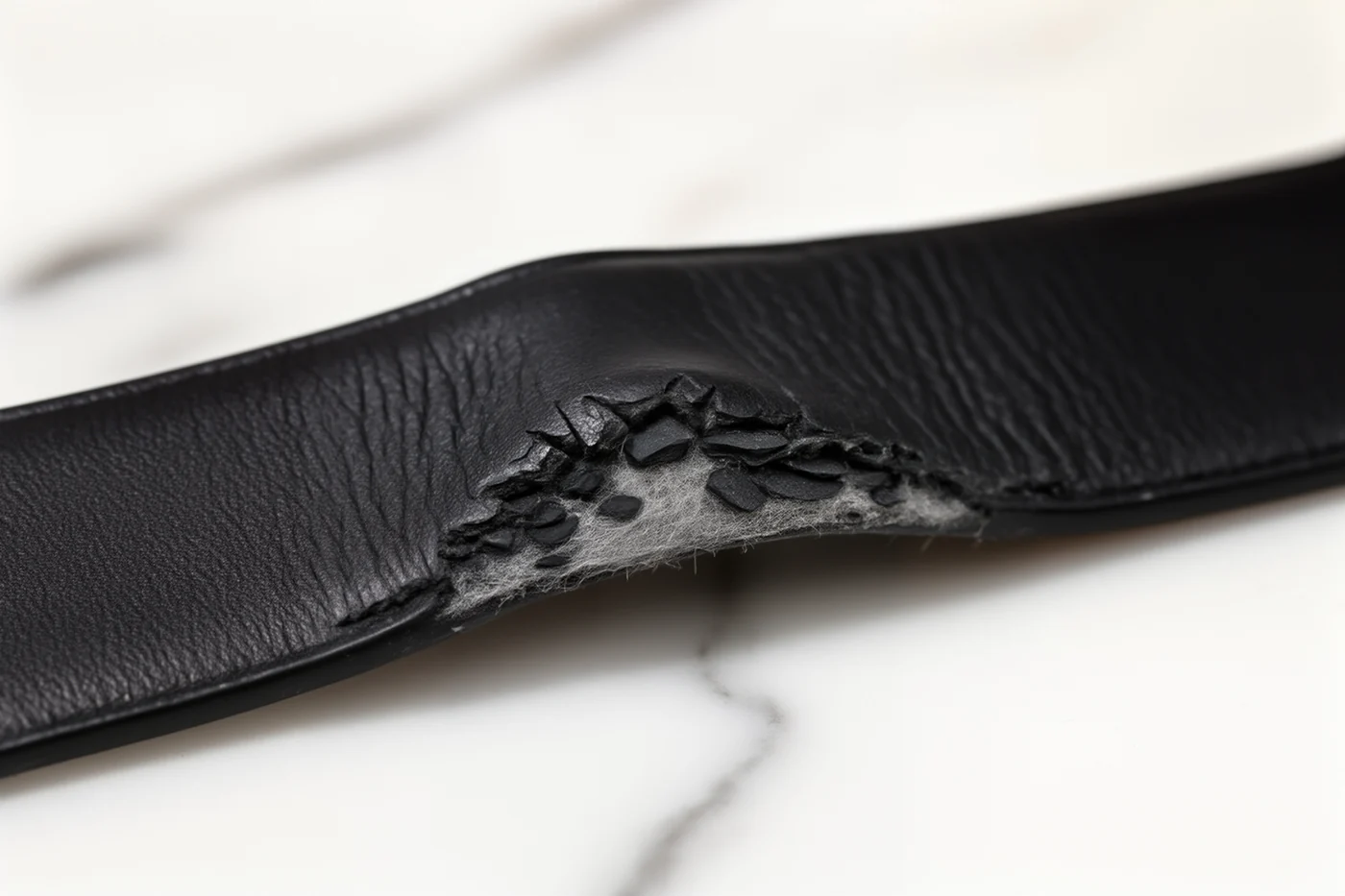
A cheap imitation leather belt strap with its painted coating cracking and flaking along a crease
What we refuse

Genuine leather

The lowest grade on the market, a weak split or shredded base painted and stamped so it resembles real leather. The paint cracks and flakes long before the belt should be worn out.

The edge of a bonded leather belt splitting into glued layers with a filler core
What we refuse

Bonded leather

Leftover scraps ground up and glued into a sheet, sometimes over a filler core. It breaks down fast in cold, wet conditions.

Before you buy any belt

Spot the cut corners before you wait weeks for a belt to arrive

Tired of guessing from a photo? These five checks take a minute with the belt in hand.

A peeling 'genuine leather' belt with its painted coating coming away from the base
  1. Check the backA stamp reading genuine or bonded leather marks a low grade. Makers who use full-grain generally say so.
  2. Inspect the edgeReal full-grain has tight fibres from top to bottom at the edge, often polished smooth by hand. Separate layers, a grey core or a glue line are the giveaway.
  3. Feel the grainNatural leather has uneven pores and small marks. A flawless, repeating texture has been pressed in by a machine.
  4. Fold it backBend the strap over itself. Real leather creases softly and springs back, while coated belts show whitish cracks.
  5. Weigh the buckleSolid stainless steel feels heavy in the hand, and a scratch shows the same metal. A light buckle with a different colour under the shine is plated.
The real cost of a cheap belt

What a cheap belt really costs over ten years in the Arctic

Tired of paying again and again, then waiting on the plane each time? A single designer belt of thick, solid cowhide built to last a lifetime works out cheaper over a decade than a string of replacements.

A $35 mall belt, replaced every year$350
An $80 department-store belt, replaced every 3 years$320
One Variani belt at $149 USD$149

Illustrative example over 10 years. Variani belts are made to be worn for decades; your results depend on use and care.

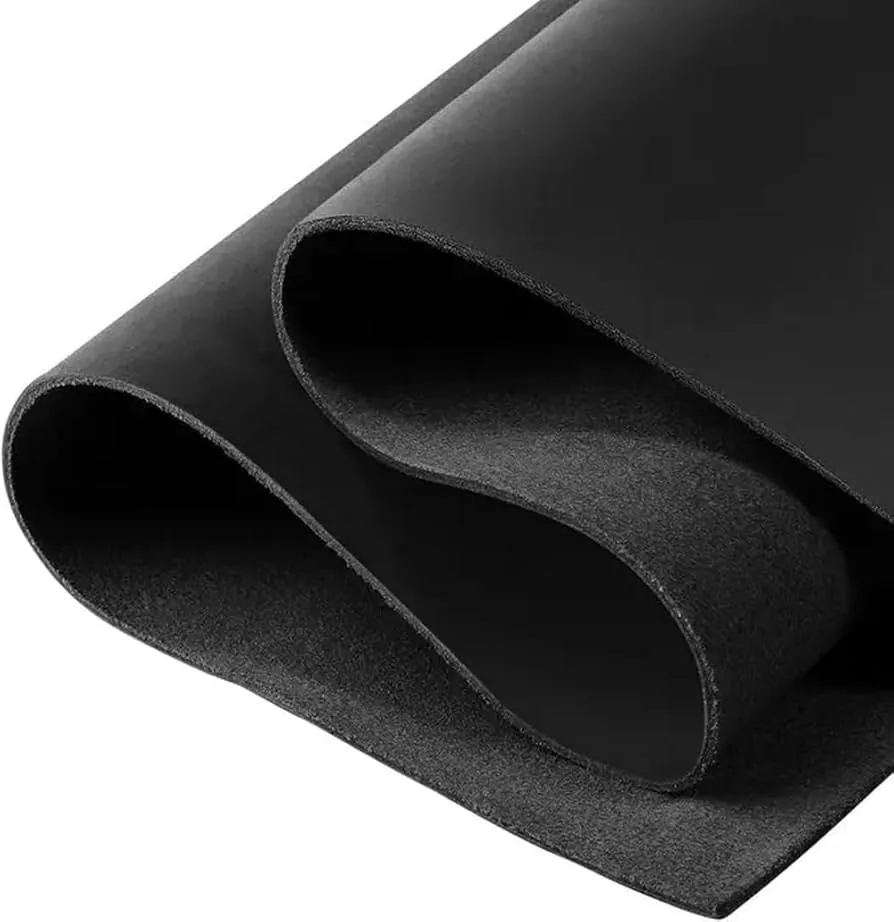
A roll of black full-grain Italian leather before it is cut into belts
Sizing

Order the right size once and skip the long trip back

  1. Measure your best beltTake a belt that fits and measure from where the leather meets the buckle to the hole you use most. Your size is that length in inches.
  2. Use your trouser waistNo belt to hand? Your usual trouser waist size is a good guide, and our chart at /size-chart.html shows how it lines up.
  3. Choose the larger sizeWe offer every even waist from 26 to 58. If you fall between two, go up one, which leaves room for layers under your parka.
  4. Talk to Bian firstPhone, text or WhatsApp +1 (604) 800-4009, or email info@variani.com. Bian will sort out your size before the belt ever leaves Vancouver.

Open the size chartCall +1 (604) 800-4009

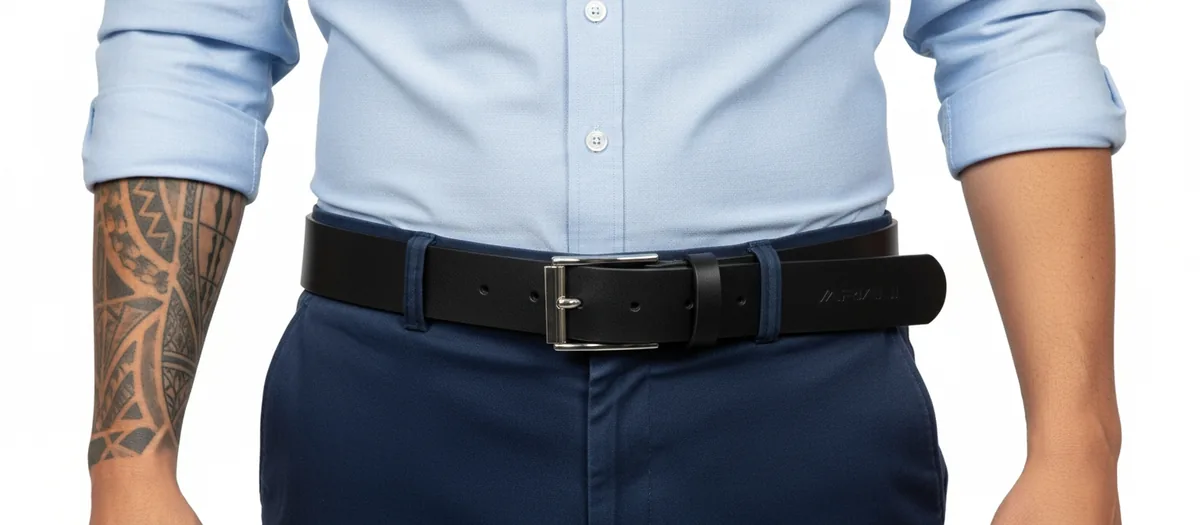
A black Variani full-grain leather belt worn with dress trousers and a shirt
Care guide

Keeping a fine belt at its best through the polar night

Think real leather means constant upkeep? It does not, and a few minutes a year keeps it healthy through dry, heated houses and salt spray off the water.

ConditionWhat you will seeWhat to do
Extreme coldStiffnessWarm before flexing; condition every fall.
Dry heated homesDrynessCondition twice a year; hang away from heaters.
Outdoor workGrime and dampWipe, dry slowly, condition.
Every 6 to 12 monthsNormal drying with ageA thin coat of leather conditioner, buffed off after 10 minutes.
In the box

Packed inside every order

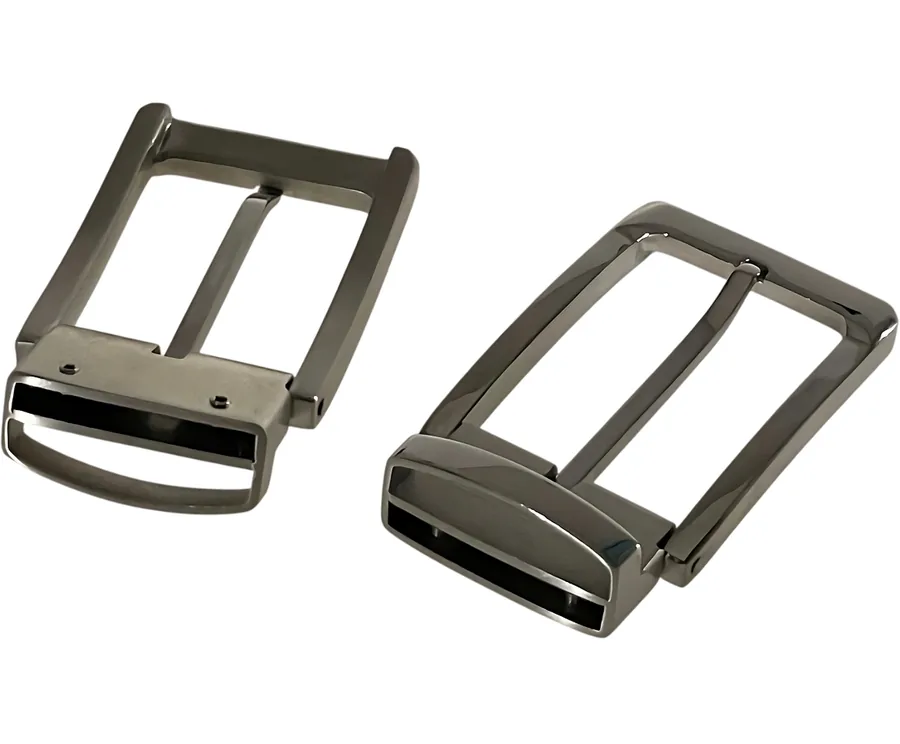
Two solid stainless steel Variani belt buckles

Solid 316L stainless buckle

Hypoallergenic 316L stainless steel all the way through, not plated zinc, so there is no finish to flake or rust.

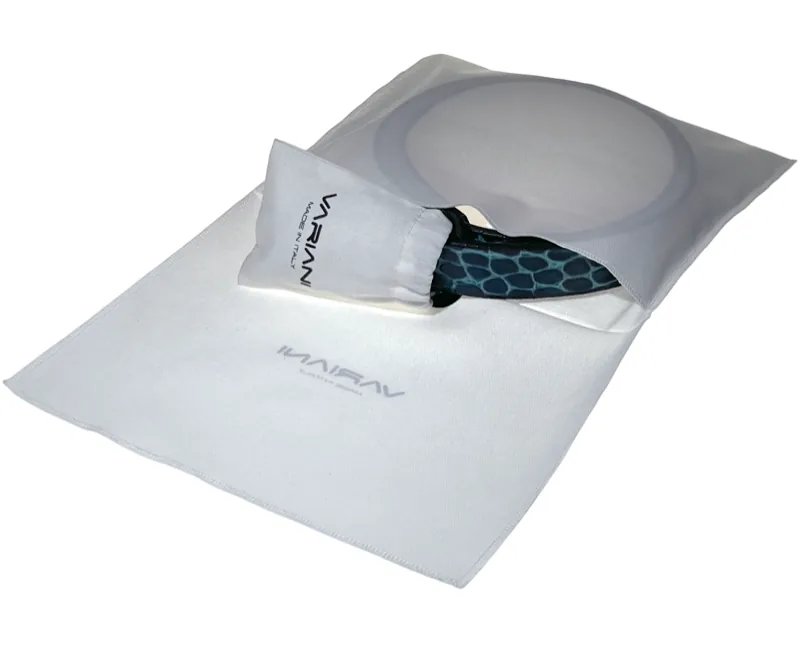
Variani belt in its protective travel bag

Travel bag, free

Keeps the belt clean and protected in your luggage on every flight south and back.

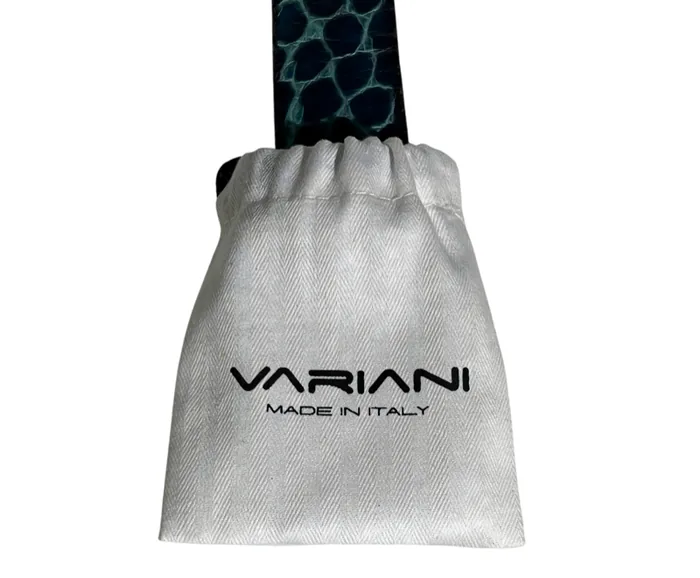
Variani buckle sheath

Buckle sheath, free

Covers the buckle so it stays unscratched, and so it cannot scratch anything packed beside it.

Questions, answered

Frequently asked questions

Do you ship to Iqaluit and other Nunavut communities?

Yes. Shipping is free and tracked to every Nunavut address. Because most deliveries are by air, allow more time than the 3 to 7 business days typical in southern Canada.

Why buy an expensive belt?

Because a $149 belt you keep for many years costs less than replacing a $35 belt every year, and in Nunavut every replacement also means another wait for delivery.

Can I ask questions before ordering?

Yes. Call, text or WhatsApp Bian Variani at +1 (604) 800-4009, or email info@variani.com.

How are full-grain, top-grain and genuine leather different?

Full-grain is the top 1-2% of the hide, kept with its natural surface, and it is the strongest grade. Top-grain has been sanded and coated, and genuine leather is the lowest grade of all, a split painted to look better. Variani belts are 100% solid full-grain Italian cowhide, cut in one piece, with no bonded layers or cardboard filler.

Why do cheap belts crack and peel so quickly in Nunavut?

They cut corners with a painted or plastic surface over weak leather or glued scraps. Arctic cold makes that surface brittle and dry indoor heat draws out moisture, so it splits at the fold and flakes. Our belts are one solid piece of dyed-through leather, with nothing on top to peel.

How do I pick the right size?

Measure a belt that fits from where the leather meets the buckle to the hole you use most, or go by your usual trouser waist. Between sizes, choose the larger. We make every even size from 26 to 58, and the chart is at /size-chart.html.

Is there duty or customs on belts shipped to Nunavut?

No. We ship from inside Canada, so Canadian customers pay no customs or duty. Shipping is free and tracked, but most Nunavut deliveries go by air, so allow longer than the usual 3-7 business days.

What is the return policy?

We give a limited 30-day conditional satisfaction guarantee from confirmed delivery, for unused belts in their original condition. Variani decides whether the remedy is an exchange, store credit or a refund. The full policy is at /return-policy.php.

Why are the prices in US dollars?

Belts are $149, $199 or $349 USD depending on the design. Your card converts the charge to Canadian dollars at checkout. Shipping to Nunavut is free.

How do I care for a leather belt in the Arctic?

Wipe off salt, grit and sweat with a lightly damp cloth, then let it dry at room temperature away from heaters. Condition it once or twice a year and keep it hanging or loosely coiled. After time outside in the cold, let the belt warm up before you bend it hard.

Luxury leather belts · Handmade in Vancouver

One belt, no corners cut, all the way to Nunavut

A luxury belt of solid cowhide, made by hand in Bian's Vancouver atelier and shipped free and tracked to Nunavut, with extra time allowed for the flight north.