+1 (604) 800-4009
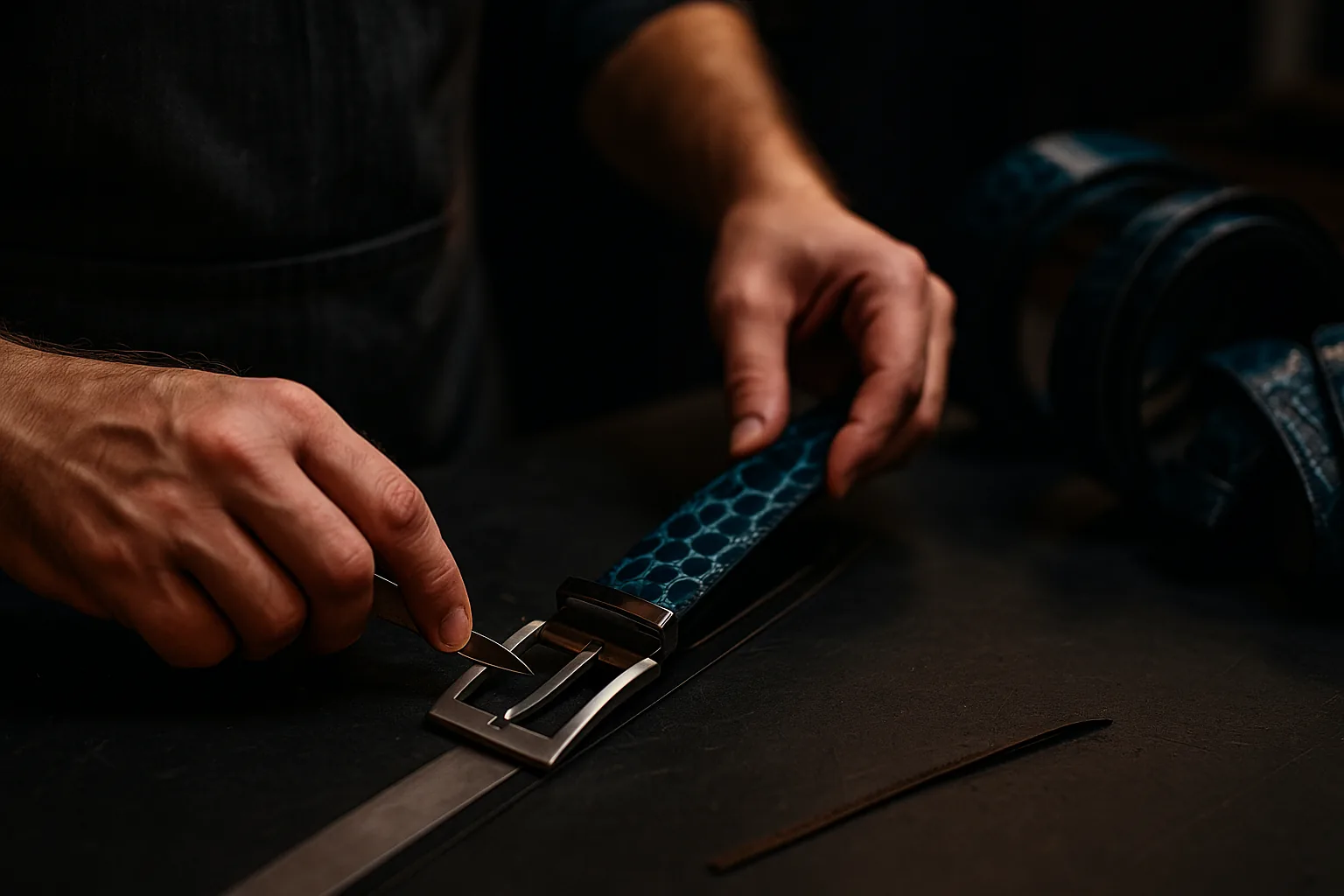
Bian Variani finishing a full-grain leather belt by hand in the Vancouver workshop
Luxury leather belts by Bian Variani · British Columbia

Full-grain leather belts, made by hand in Vancouver, BC.

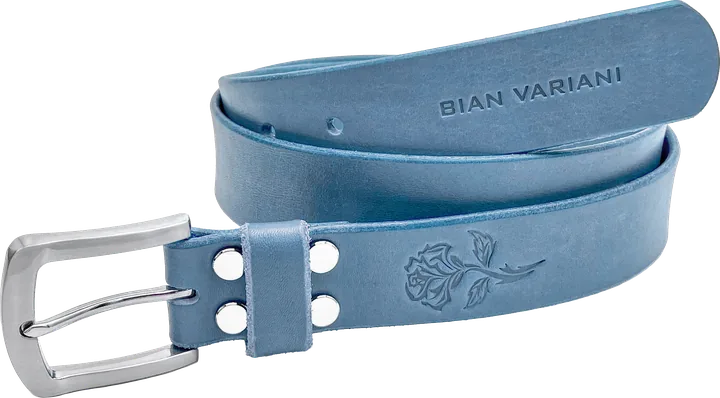
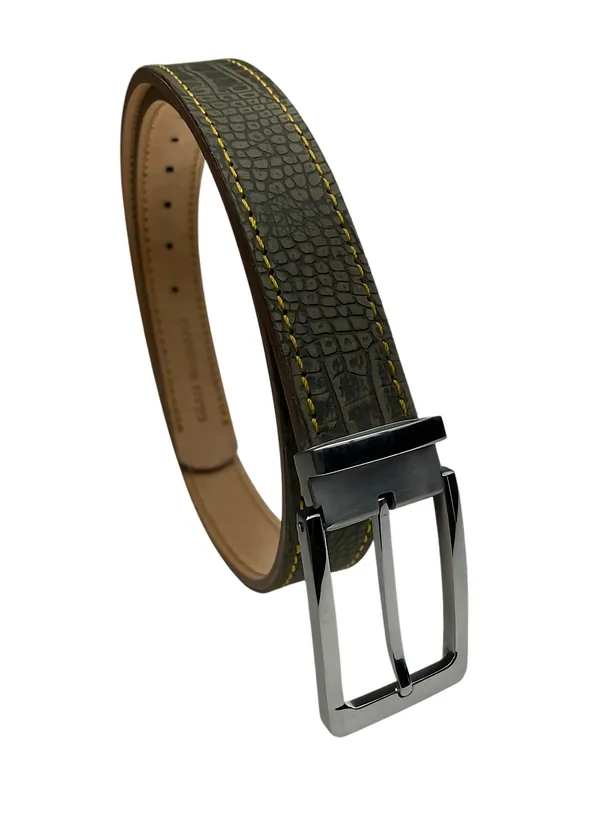
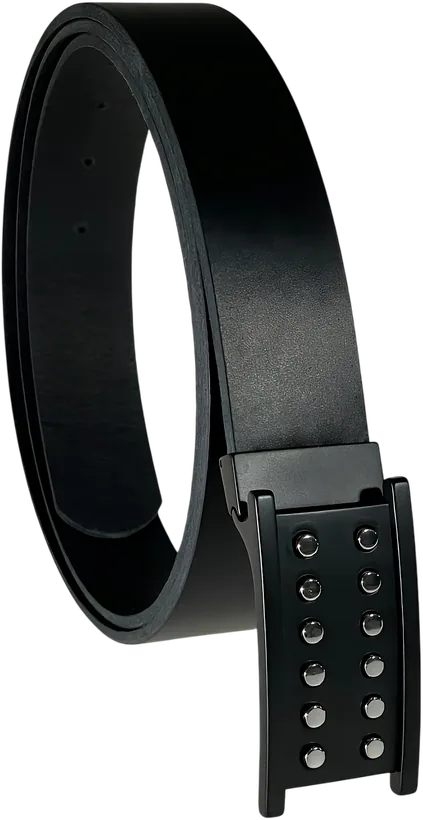
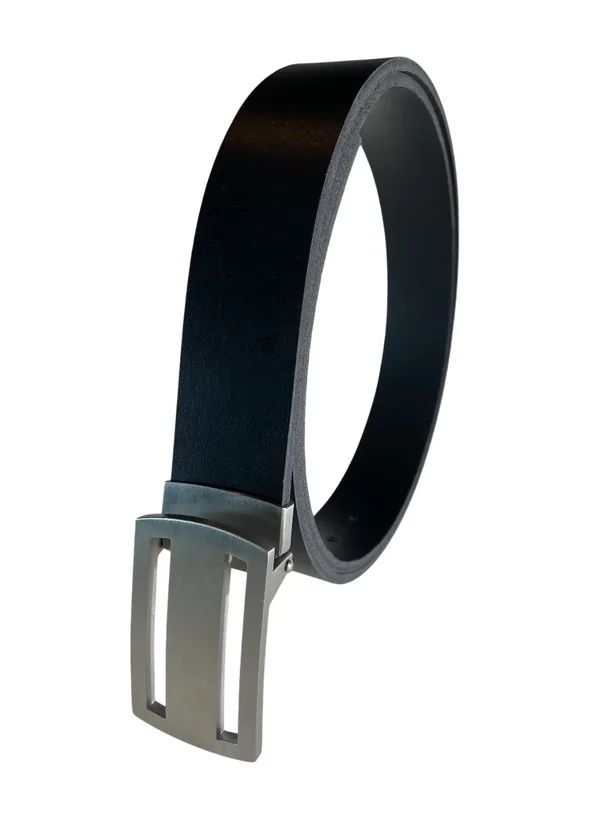
Every Variani belt is cut and finished in our Vancouver workshop at 1231 Pacific Blvd. Solid full-grain Italian leather, a solid stainless steel buckle, and nothing glued, painted or plated.

  • 100% solid full-grain Italian cowhide
  • Solid stainless steel buckle
  • Sizes 26 to 58
  • Free tracked shipping to BC
The short answer

Variani belts are made by hand in Vancouver, British Columbia, from solid full-grain Italian leather, with solid hypoallergenic stainless steel buckles. They start at $149 USD in sizes 26 to 58 and ship free across BC, usually in 3 to 7 business days.

Variani at a glance for British Columbia

Designer
Bian Variani, luxury leather belt designer, Vancouver atelier
Leather
100% full-grain aniline Italian cowhide, one solid piece: no bonded layers, filler or painted coating
Width
1 3/8 inch, fits dress trouser loops and jeans
Sizes
Every even waist size from 26 to 58
Buckle
Solid hypoallergenic stainless steel, no plating
Price
$149, $199 or $349 USD depending on model
Shipping
Free and tracked across Canada, usually 3 to 7 business days, no duty
Returns
Limited 30-day conditional satisfaction guarantee
Included
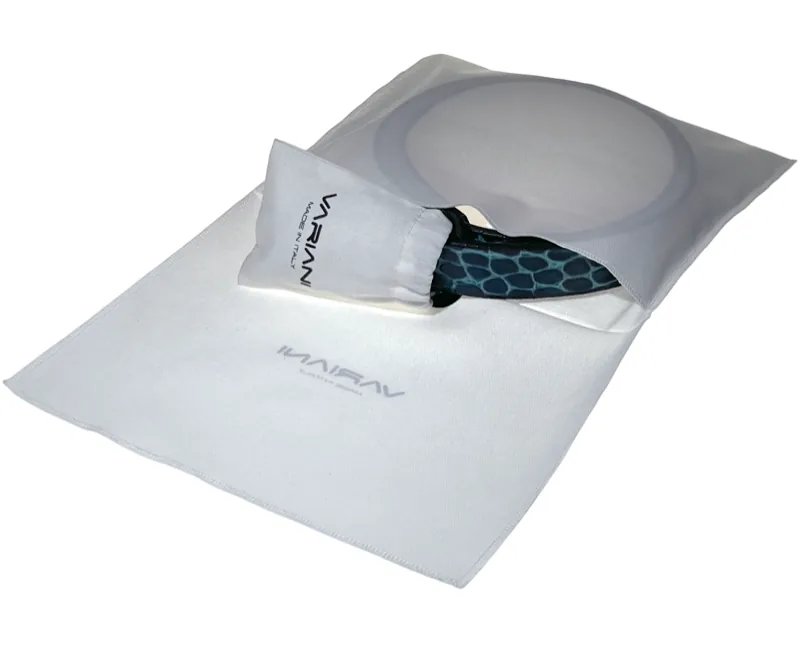
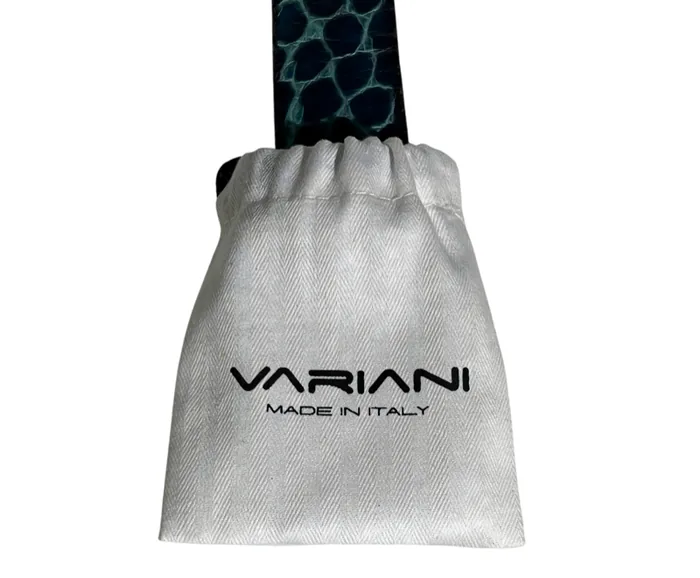
Travel bag and buckle sheath
Designed in Vancouver, no shortcuts

Tired of belts that give up after one wet British Columbia winter?

Tired of belts that look great out of the box and fall apart within a year? Every one of those failures is a shortcut someone took. Bian has run his Vancouver atelier since 1988, and his belts are 100% solid, real, thick cowhide, made with none of them.

Why is the surface of my belt coming off in flakes?

The shortcut
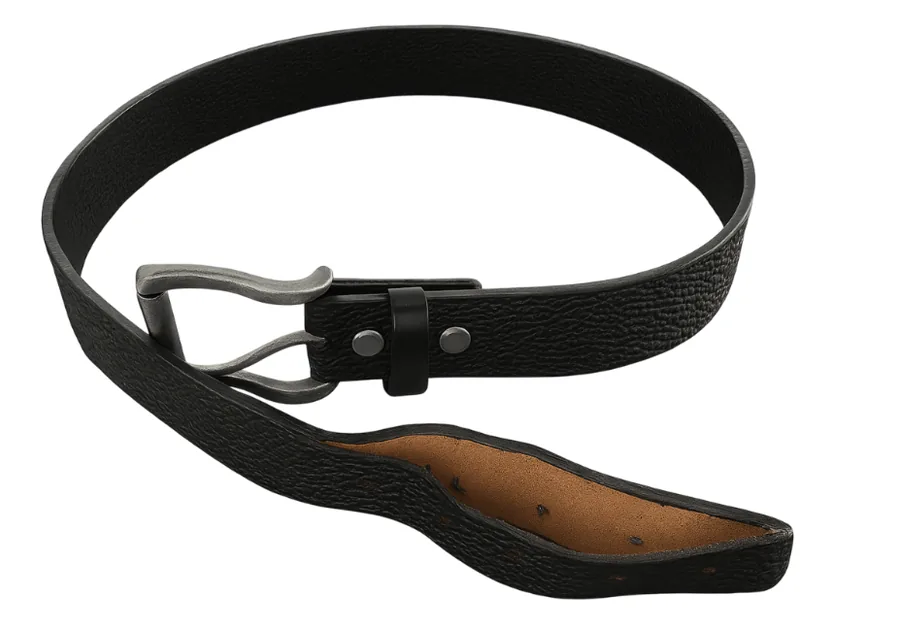
The shortcut here is paint: a plastic-like coating sprayed over split leather to fake a good surface. Months of soaked coats and SkyTrain platforms in the drizzle loosen it until it lifts away.
The Variani way
Bian won't paint a belt. He travels to Santa Croce in Tuscany to choose hides in person, rejects most of what he is shown, and uses only full-grain aniline leather with nothing on the surface to peel.

The edge has opened up and I can see two layers.

The shortcut
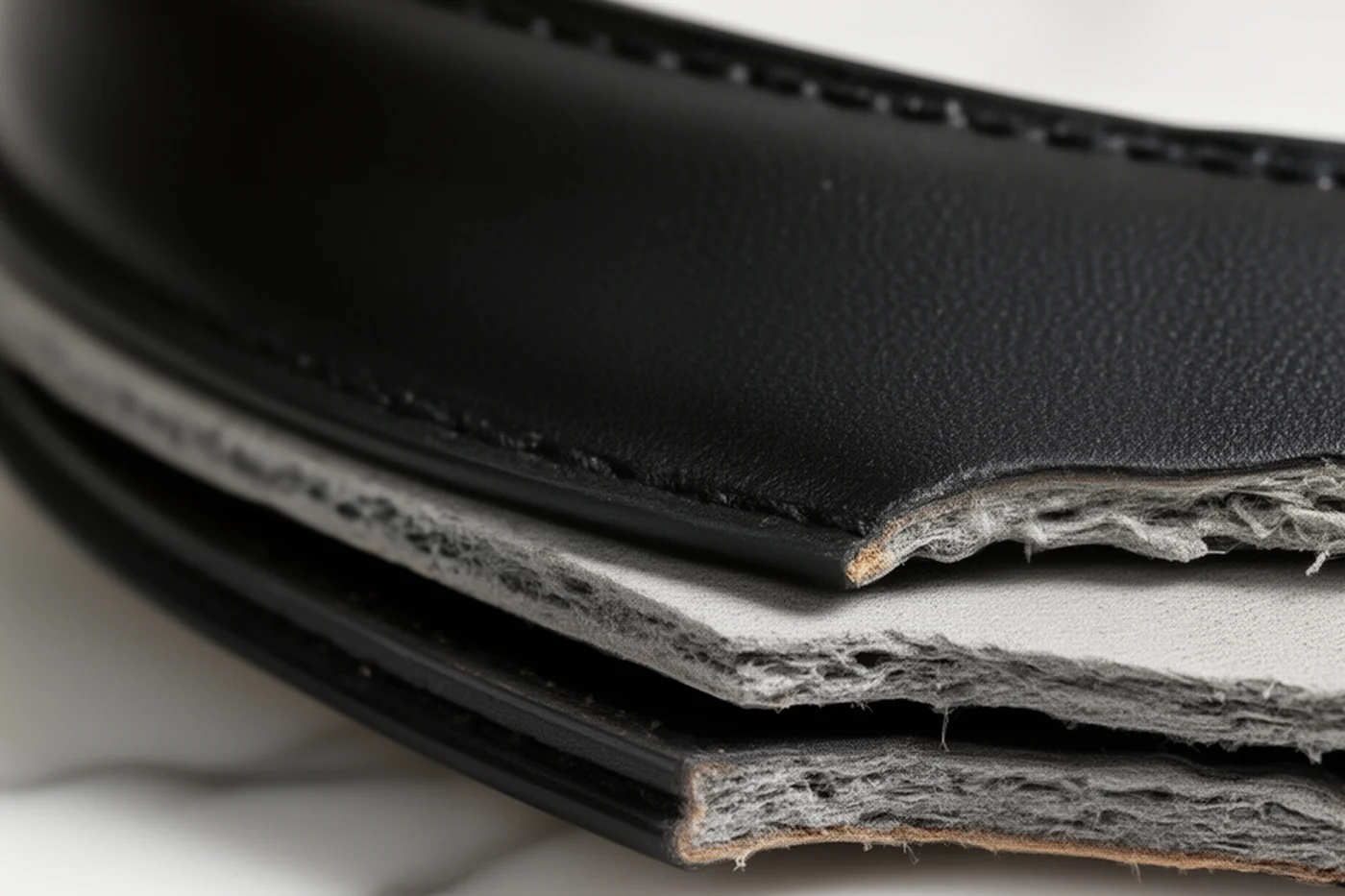
Gluing thin layers together, sometimes around a filler core, is cheaper than cutting from a thick hide. Coastal damp gets into that glue line and the strap separates from the tip back.
The Variani way
Each Variani strap is one solid piece of thick cowhide: no bonded layers, no cardboard filler, no glue line. The edges are hand-burnished with natural beeswax, about fifteen minutes per belt, so they close up instead of fraying.

Six months in, it cracked right at the fold.

The shortcut
Sanding off the natural surface hides flaws quickly, but it removes the strongest part of the hide. The fold behind the buckle bends every time you sit, and that weakened layer breaks.
The Variani way
We keep the full grain, the densest top one or two percent of the hide, whole. It bends at the fold for years and darkens into a patina instead of cracking.

I'm tired of buying a new belt every year.

The shortcut
A belt made to hit a price is made to be replaced. The receipts are small one at a time, which is exactly why the total goes unnoticed.
The Variani way
A Variani belt is made to last a lifetime: solid thick leather and a solid stainless steel buckle, finished by hand. You buy it once, wipe it down, and condition it once or twice a year.

My buckle has gone dull and the silver is rubbing off.

The shortcut
Plated zinc is the usual shortcut: it looks bright in the box and costs very little. Salt air along the coast finds every scratch, and the plating bubbles and flakes.
The Variani way
Every buckle we fit is solid 316L stainless steel, the same alloy family used in medical implants, never plated. Bian also trained in mechanical engineering and metalworking, and on #VAR019 and #VAR021 the buckle is held with stainless Chicago screws so it comes off by hand.

The hole I use most has stretched into an oval.

The shortcut
Thin straps save leather, and they pay for it at the hole. The pull of a buckle prong all day, every day, drags the opening long.
The Variani way
Our straps are heavyweight, and #VAR012, #VAR013 and #VAR015 are a full 10 oz. Thick, dense cowhide holds a clean, round hole.

Why do I get a red patch where the buckle sits?

The shortcut
Cheap plated alloys can contain metals some people react to, and the plating wears through where it touches you. A warm Okanagan summer and a little sweat make it worse.
The Variani way
Our buckles are solid hypoallergenic stainless steel from surface to core. There is no coating to wear away and no second metal hiding underneath.

My belt curls up and droops on one side.

The shortcut
A soft, thin strap has no backbone, so it rolls at the edges and dips wherever a phone is clipped. Drying unevenly after a rainy walk makes the curl stay.
The Variani way
A thick strap cut from one piece holds a straight, clean line, which is what makes it look expensive on you. It is firmer for the first few weeks, then settles to your shape without going limp.

Small, medium or large never lands on the right hole.

The shortcut
Letter sizing is a factory shortcut that spreads one belt over many waists. You end up on the last hole or tucking away a long tail.
The Variani way
We make every even waist size from 26 to 58, the way a tailor would. Measure a belt that fits or use your trouser size and it will sit where it should.

It rattles in my suit loops but looks thin with jeans.

The shortcut
Most brands make one width for dress and another for casual, so you end up owning two belts that each do half the job.
The Variani way
Bian, who trained at fashion schools in London and Milan and has dressed celebrities for black-tie events, set every belt at 1 3/8 inch. In his words, it is strong enough to handle a tool belt and beautiful enough for your best suit, from a weekend in Victoria to an evening downtown.

After a ski day it feels like a plank.

The shortcut
All leather firms up in the cold, whether the car sat at Whistler or in Prince George overnight. Coated belts are the ones that crack if you bend them hard while frozen.
The Variani way
Uncoated full-grain has no brittle skin to crack, but it still stiffens, so let it warm up before bending it hard. Wipe off slush with a damp cloth and dry it at room temperature.

It said genuine leather. Isn't that the good stuff?

The shortcut
Did you know genuine leather is, in practice, the lowest grade sold? It is usually a shredded or split base, painted and stamped with a fake grain, and the label is designed to sound like a promise.
The Variani way
We say it plainly: 100% solid, real, full-grain aniline Italian leather in one piece, from a Tuscan tannery Bian has bought from in person for about 30 years. The five checks below let you test any belt, ours included.
Built for British Columbia

Made here, for the rain we all live with.

British Columbia is home. Every belt on this page is cut, finished and fitted with its buckle in Vancouver by designer and leather artisan Bian Variani, using full-grain leather he chooses in person from the same Italian tannery he has worked with for decades.

Coastal BC is wet for much of the year, and damp is where cheap belts fail first: bonded leather swells, the glue lets go and the edges split. The Interior and the North add dry heat and hard cold. A single piece of full-grain leather handles all of it, because there are no layers to separate.

Freetracked shipping to every BC address
26 to 58every even waist size
0glued layers, painted coats or plated buckles
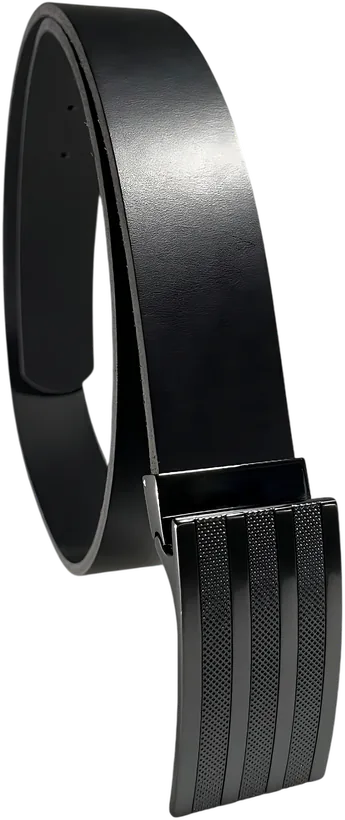
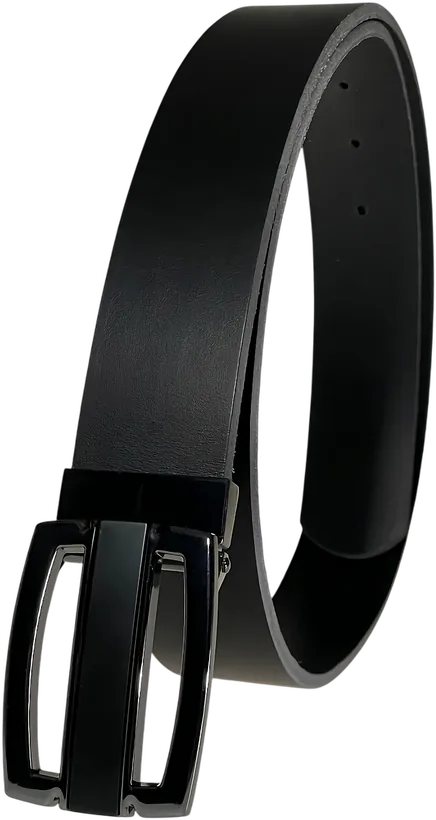
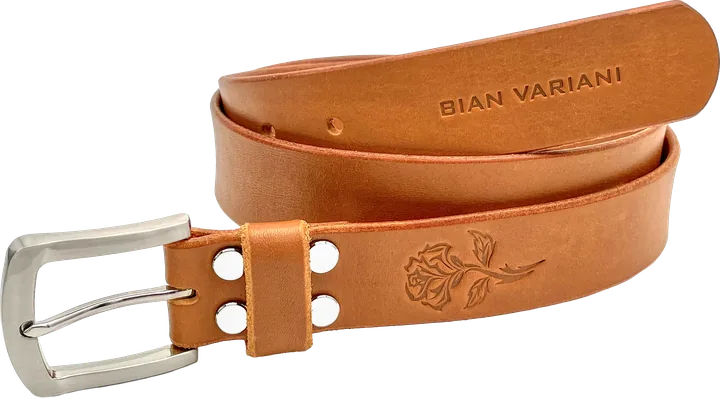
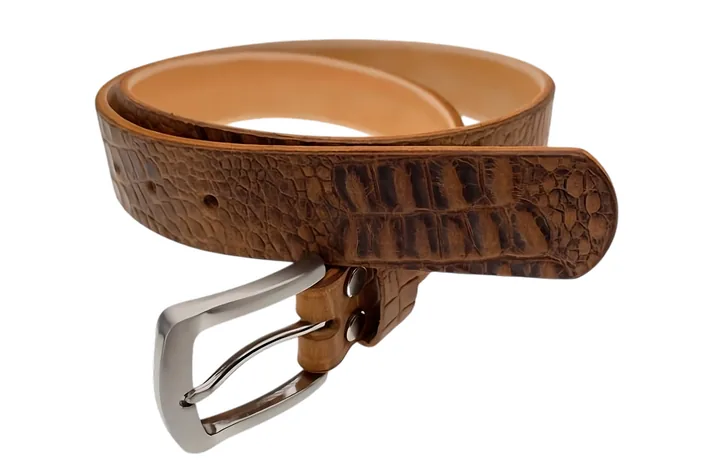
Variani #VAR012 handmade full-grain leather belt

Coastal rain

Full-grain leather tolerates getting wet. Let it dry slowly at room temperature, then condition. Bonded belts absorb water into the glue layer and delaminate.

Made in Vancouver

Local means you can speak to the maker. Call, text or WhatsApp Bian Variani at +1 (604) 800-4009 about sizing, colour or a buckle before you order.

Outdoors and work

The heavyweight strap holds a phone, knife or tape measure without sagging, whether you are on a job site in Surrey or a trail in the Okanagan.

Where we deliver in British Columbia

Every order leaves the Vancouver workshop with tracking, free, and with no duty to pay. Most Canadian orders arrive in 3 to 7 business days; remote and fly-in communities can take longer. Some of the places we ship to:

What you are actually buying

Where a luxury belt comes from in the hide

Every grade name points to a different layer of the same hide. The shortcuts all happen further down.

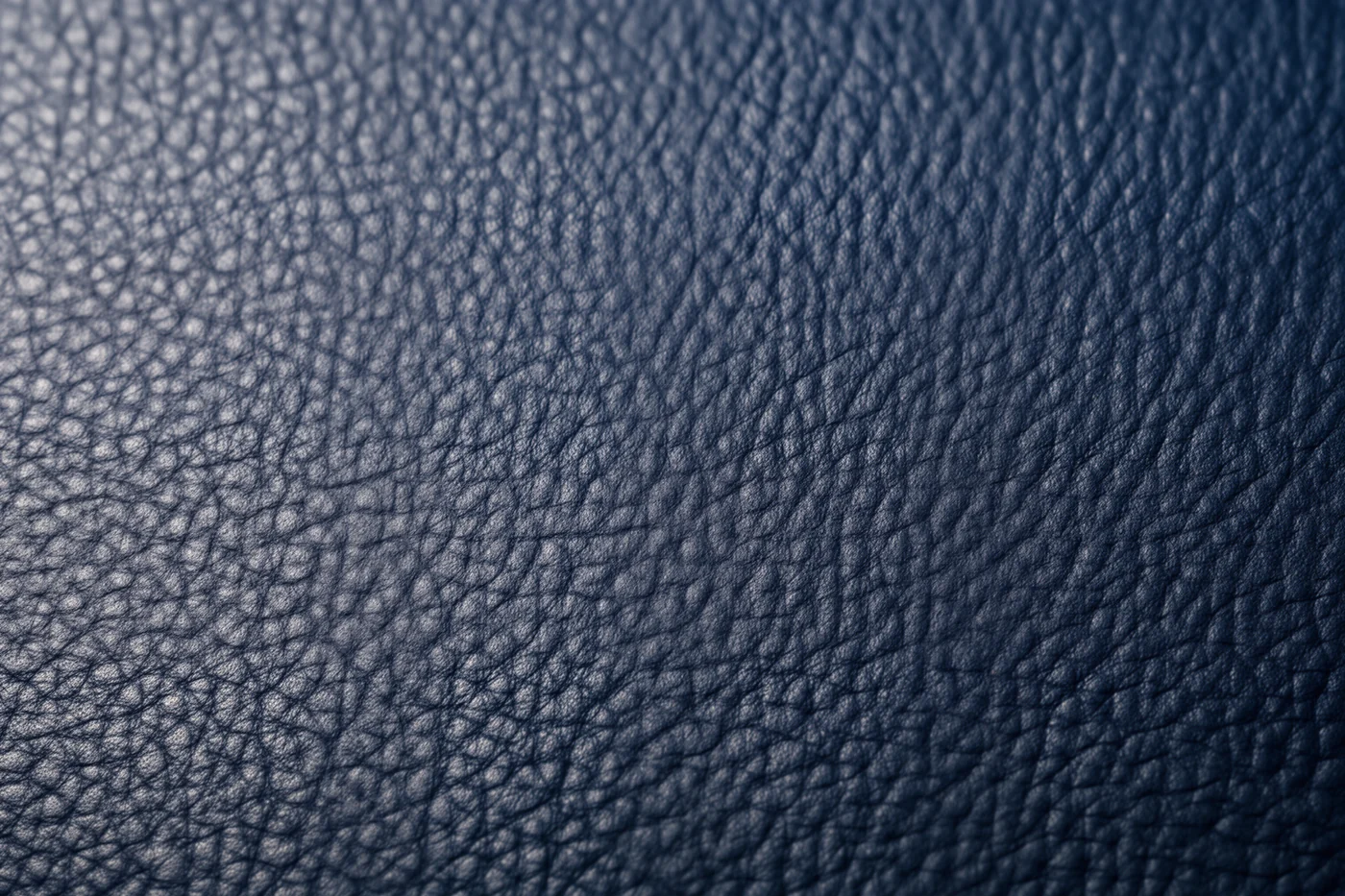
Macro photograph of slate blue full-grain leather showing natural pores and creases
What Variani uses

Full-grain

The top one or two percent of the hide, natural surface left whole. It is the strongest layer and the only one that ages into a real patina, and it is all we use.

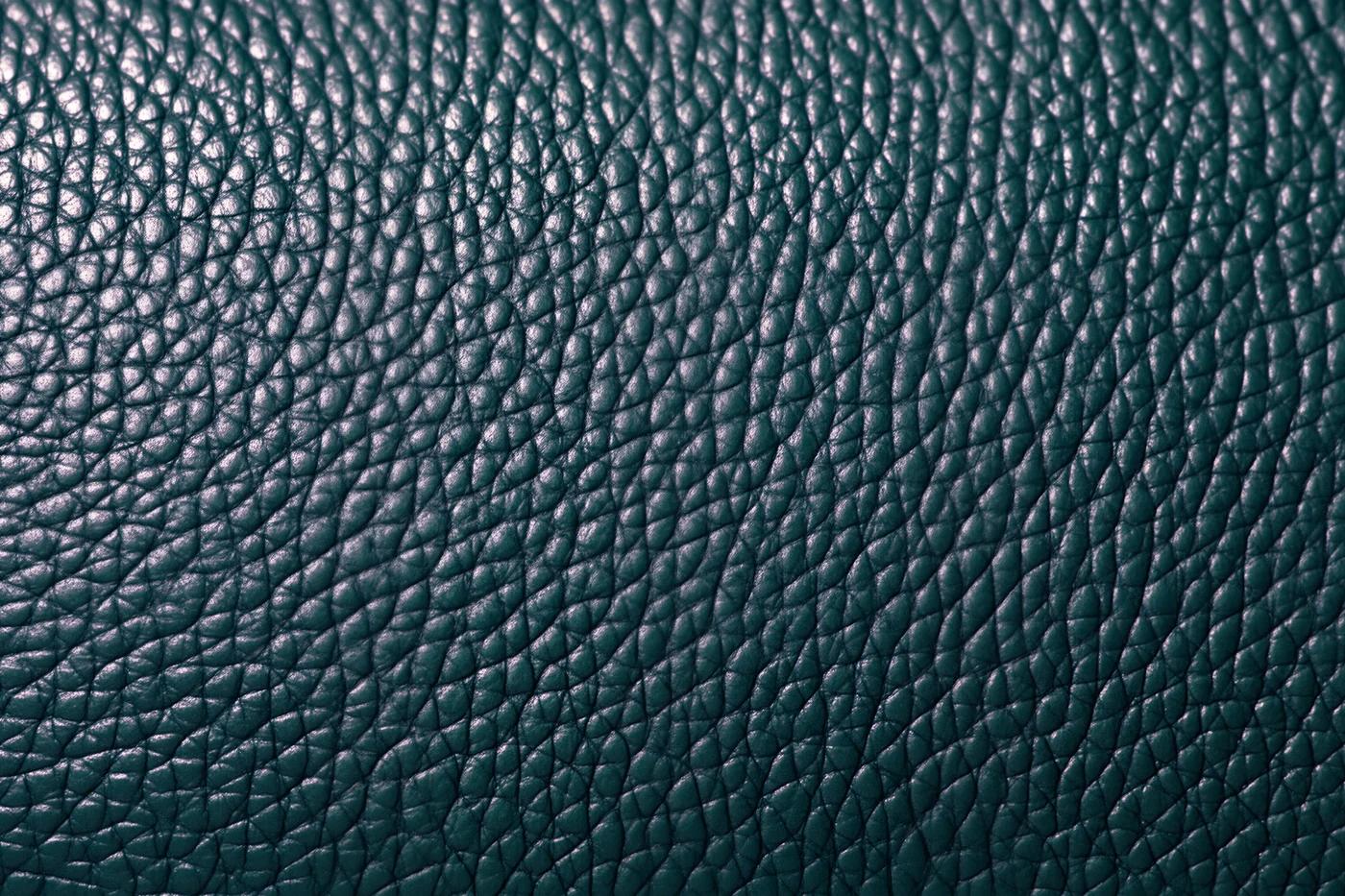
Close-up of corrected-grain leather with a uniform stamped pattern and sprayed finish
What we refuse

Top-grain or corrected

The surface is sanded to erase marks, then sprayed and often pressed with an artificial grain. It looks neat new and wears thin at the bends.

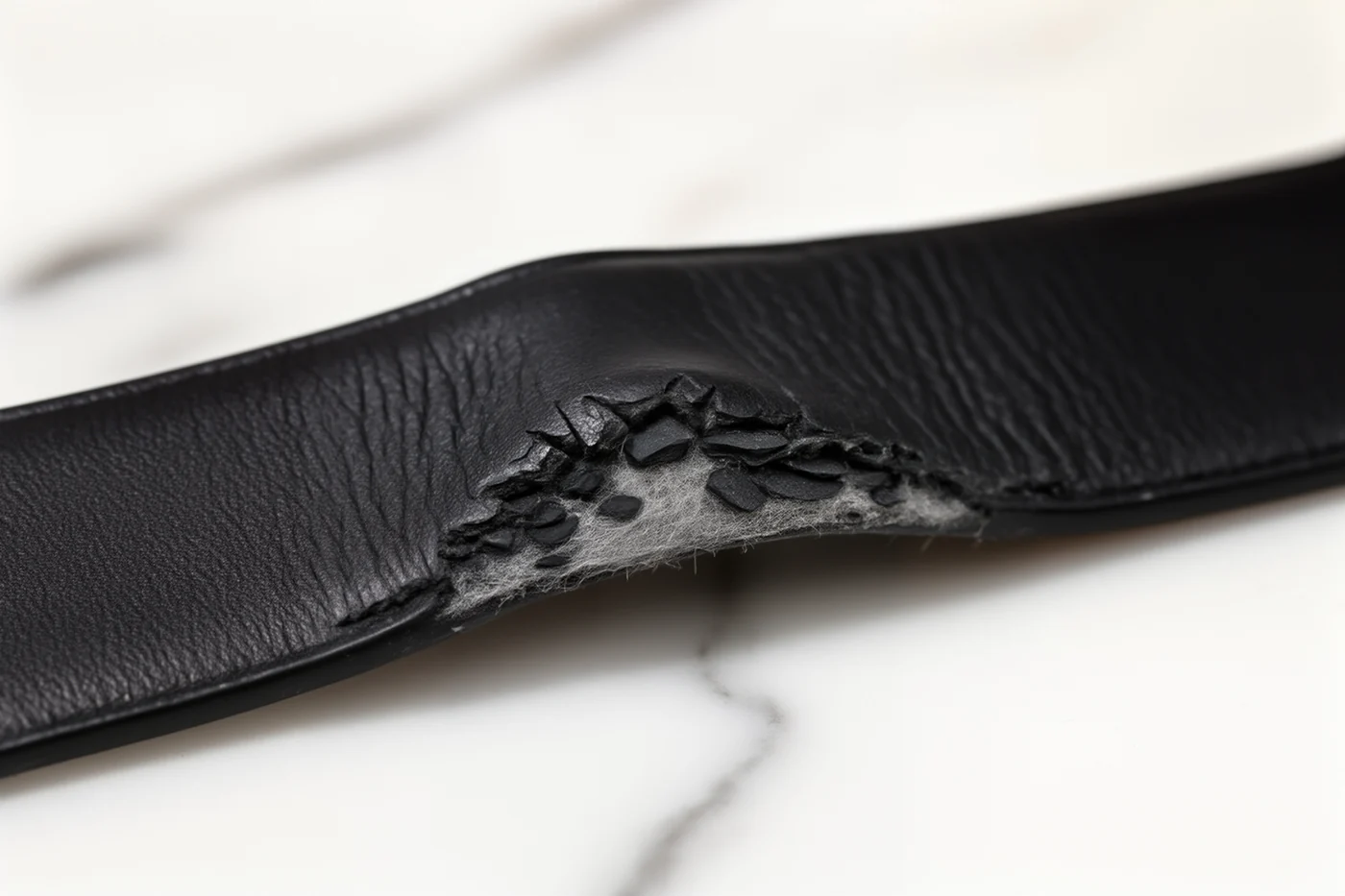
A cheap imitation leather belt strap with its painted coating cracking and flaking along a crease
What we refuse

Genuine leather

Despite the reassuring name, this is the lowest grade on the market: a split or shredded base, painted and pressed with an artificial pattern. Put plastic over almost anything and it can be sold as genuine leather.

The edge of a bonded leather belt splitting into glued layers with a filler core
What we refuse

Bonded leather

Scraps shredded, mixed with glue and pressed into sheets, sometimes over a filler core. This is the one that splits first.

Before you buy any belt

How to spot a belt that cut corners

Five checks you can do in a shop or at home in under a minute.

A peeling 'genuine leather' belt with its painted coating coming away from the base
  1. Read the backGenuine or bonded stamped on the underside tells you the grade honestly. A full-grain belt will name itself.
  2. Look at the edgeA cut edge should show one solid, fibrous section. A line through the middle means glued layers.
  3. Study the grainReal grain has pores and small natural marks. A flawless repeating texture usually means an embossed coating.
  4. Fold the tipBend the end back on itself. Full-grain creases softly; coated leather shows fine white cracks.
  5. Weigh the buckleSolid stainless steel feels heavy and cool in the hand. A light, glossy buckle is usually plated zinc.
The real cost of a cheap belt

One designer belt against ten years of cheap ones

Tired of paying for the same belt over and over? Count a decade of replacements and the luxury option starts to look like the sensible one.

A $35 mall belt, replaced every year$350
An $80 department-store belt, replaced every 3 years$320
One Variani belt at $149 USD$149

Illustrative example over 10 years. Variani belts are made to be worn for decades; your results depend on use and care.

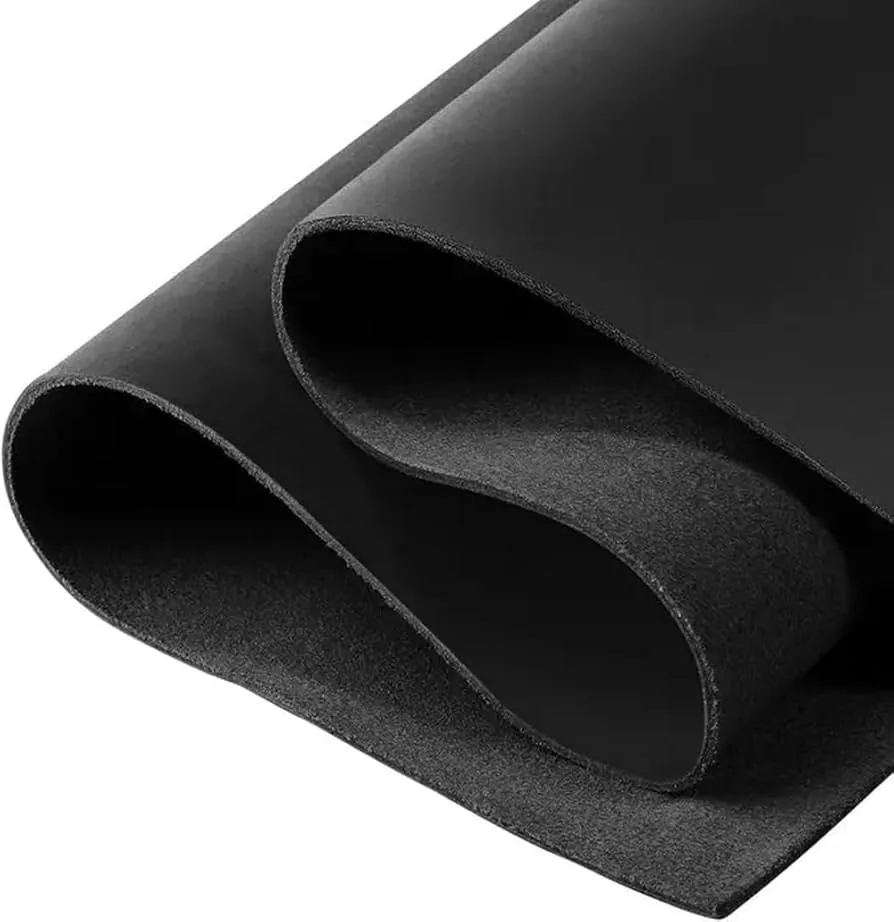
A roll of black full-grain Italian leather before it is cut into belts
Sizing

A made-to-size fit, the first time

  1. Measure a belt you likeLay it flat and measure from where the leather meets the buckle to the hole you use most. That is your size.
  2. Or use your trouser sizeNo belt to hand? Your usual trouser waist size is a good guide.
  3. Between sizes, go upEvery even size from 26 to 58 is available. If you fall between two, take the larger; the chart is at /size-chart.html.
  4. Ask Bian directlyCall, text or WhatsApp +1 (604) 800-4009, or email info@variani.com, and Bian will help you choose.

Open the size chartCall +1 (604) 800-4009

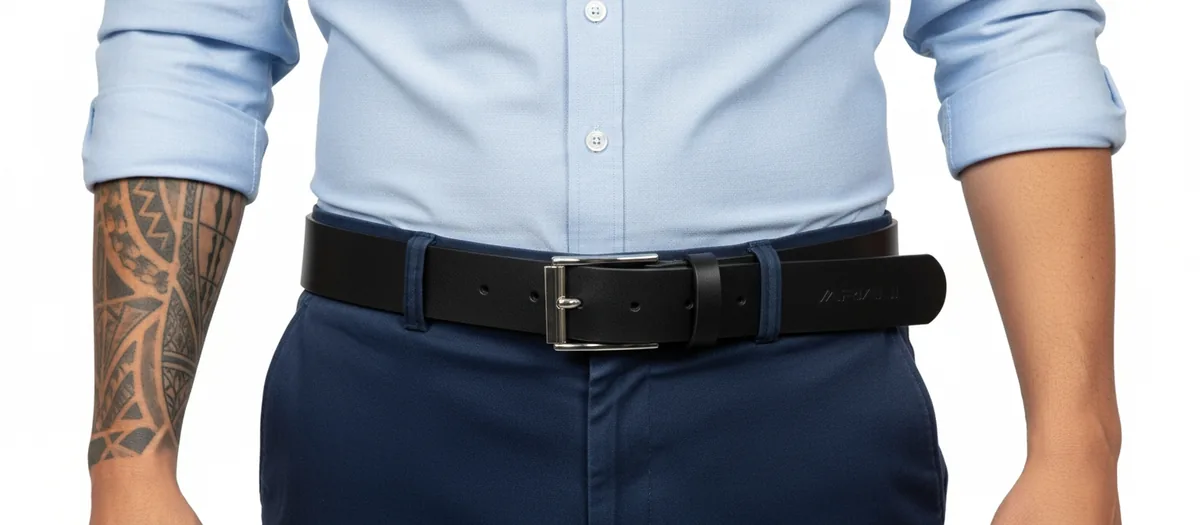
A black Variani full-grain leather belt worn with dress trousers and a shirt
Care guide

Caring for fine leather on a rainy coast

Fed up with belts that fall apart after a few soakings? Full-grain asks very little: wipe off the rain, let it dry slowly and condition it now and then.

ConditionWhat you will seeWhat to do
West Coast rainWater spots, swellingBlot, dry slowly at room temperature, condition once dry.
Okanagan summer heatDrying and sweat marksAir out overnight, condition at the end of summer.
Northern BC wintersStiffness in deep coldCondition before winter; let a cold belt warm up before you bend it hard.
Every 6 to 12 monthsNormal drying with ageA thin coat of leather conditioner, buffed off after 10 minutes.
In the box

In the box, finished properly

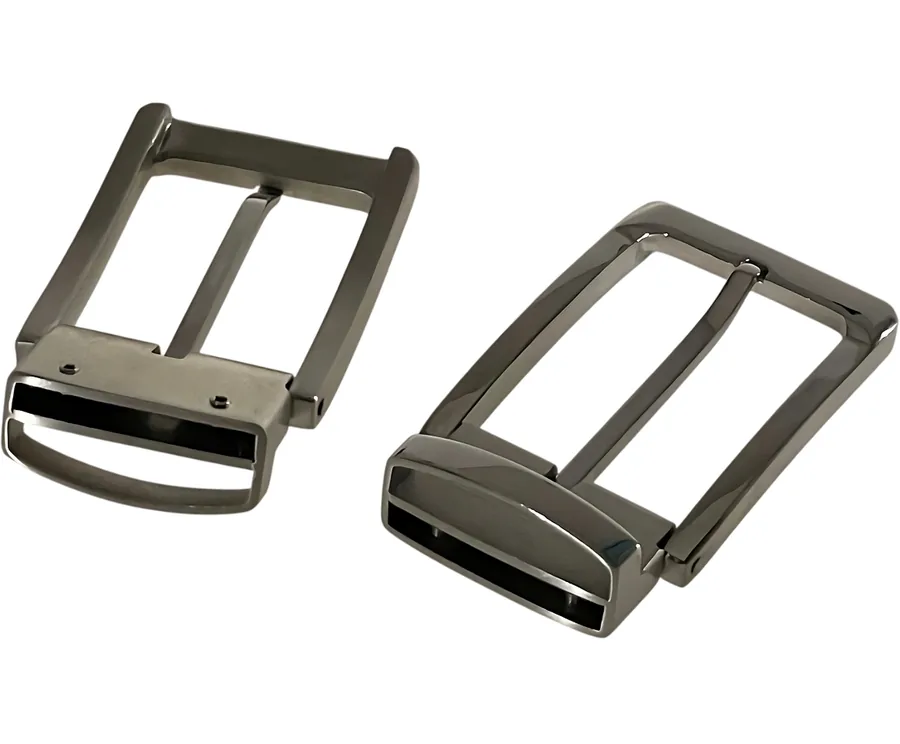
Two solid stainless steel Variani belt buckles

Solid 316L stainless buckle

Hypoallergenic 316L stainless steel, solid all the way through. No plating, so nothing to flake or tarnish in the sea air.

Variani belt in its protective travel bag

Travel bag

A free bag so the belt travels in a suitcase without picking up scuffs.

Variani buckle sheath

Buckle sheath

A free sheath that covers the buckle to protect the strap and anything packed beside it.

Questions, answered

Frequently asked questions

Where are Variani belts made?

In Vancouver, British Columbia. Each belt is cut from full-grain Italian leather and finished by hand by Bian Variani. The studio address is 1231 Pacific Blvd., Vancouver, BC V6Z 0E2.

Can I pick up a belt in Vancouver?

Variani sells online with free tracked shipping, which usually reaches BC addresses within 3 to 7 business days. For anything else, call or WhatsApp +1 (604) 800-4009 and ask Bian directly.

Is a leather belt a problem in Vancouver rain?

Not a full-grain one. Water marks on full-grain leather dry out and blend in, especially after conditioning. Rain is what ruins bonded leather, because water gets into the glue between the layers.

What is the difference between full-grain, top-grain and genuine leather?

Full-grain is the top one or two percent of the hide with its natural surface intact, the strongest and finest layer. Top-grain has been sanded and sprayed, and genuine leather is the lowest grade, usually a painted and stamped split. Every belt Bian makes in Vancouver is 100% full-grain aniline Italian leather from Santa Croce, Tuscany.

Why do cheap belts peel and crack?

They peel because a painted or plastic coating was laid over split or bonded leather, and they crack because the strong surface was sanded away. A damp British Columbia winter speeds both up. Our straps are one solid piece of uncoated cowhide, so neither shortcut is there to fail.

How do I choose my belt size?

Measure a belt that fits from where the leather meets the buckle to the hole you use most, or use your usual trouser waist size. We make every even size from 26 to 58, and between sizes you should pick the larger. You can also text us at +1 (604) 800-4009.

Will I pay customs or duty on an order to British Columbia?

No. Every belt is made and shipped from inside Canada, so there is no customs or duty for Canadian orders. Tracked shipping is free, and orders usually arrive in 3 to 7 business days, with remote communities sometimes taking longer.

What is your return policy?

We offer a limited 30-day conditional satisfaction guarantee from confirmed delivery, for unused belts in their original condition. The remedy is an exchange, store credit or refund at our discretion. The full terms are at /return-policy.php.

Why are prices shown in US dollars?

Our belts are priced in USD at $149, $199 or $349 depending on the model. Your card handles the currency conversion at checkout.

How should I care for a leather belt?

Wipe off dirt, rain, salt or sweat with a lightly damp cloth and let it dry at room temperature, away from heaters. Condition it once or twice a year and store it hanging or loosely coiled. After time in the cold, let it warm up before bending it hard.

Luxury leather belts · Handmade in Vancouver

A luxury belt, made a few blocks from False Creek

Choose your model and size, and Bian will make it by hand in Vancouver and ship it to you free.