+1 (604) 800-4009
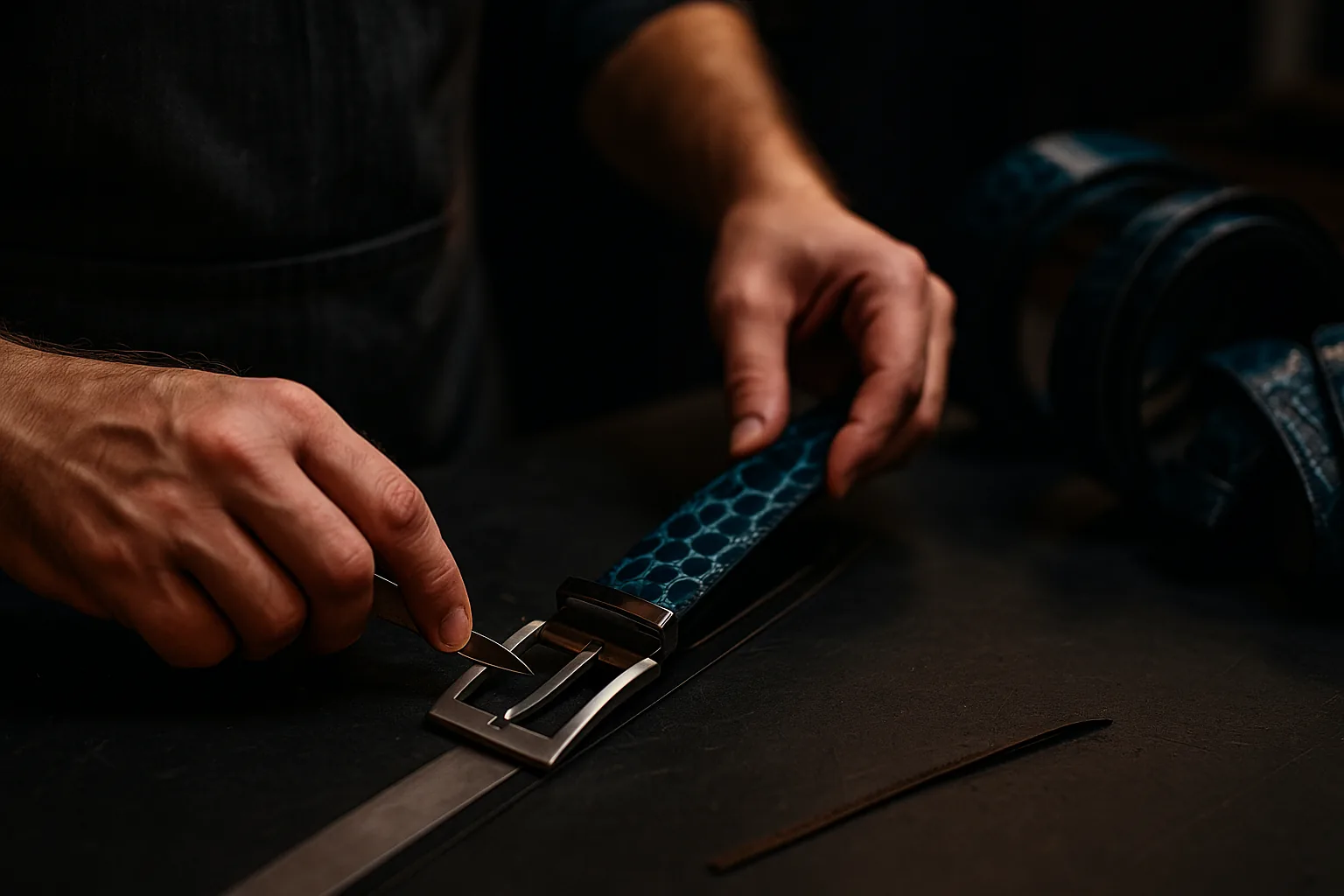
Bian Variani finishing a full-grain leather belt by hand in the Vancouver workshop
Luxury leather belts by Bian Variani · Saskatchewan

Designer leather belts, tough enough for Saskatchewan.

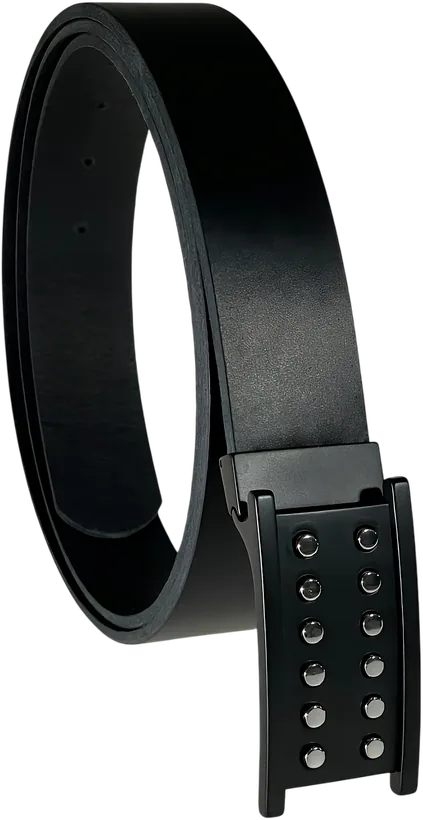
Harvest days, -35 mornings and long drives between towns. A single thick piece of full-grain Italian leather and a solid stainless steel buckle, made to keep going.

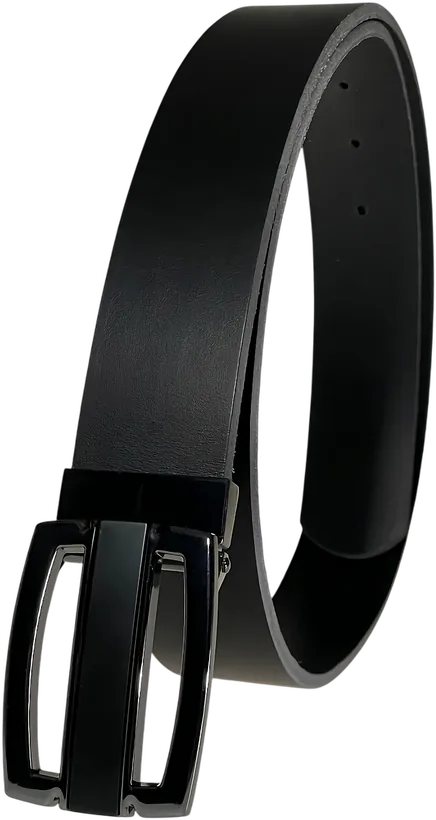
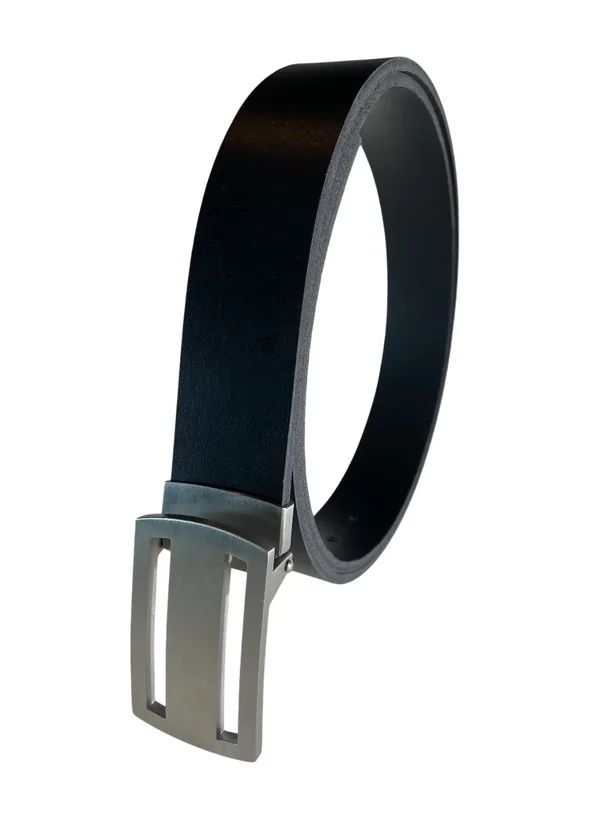
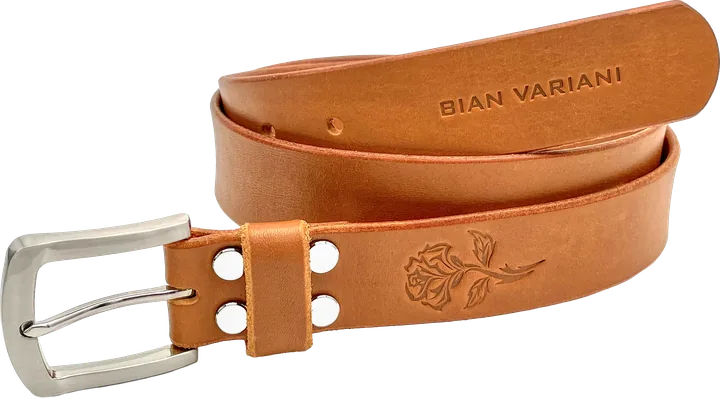
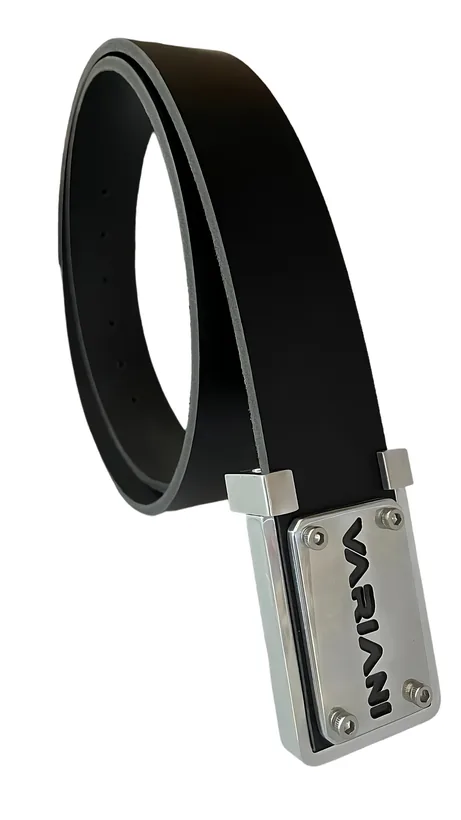
  • 100% solid full-grain Italian cowhide
  • Solid stainless steel buckle
  • Sizes 26 to 58
  • Free tracked shipping to SK
The short answer

Variani makes thick, single-piece full-grain Italian leather belts by hand in Vancouver and ships them free across Saskatchewan, usually in 3 to 7 business days. They resist stretching, cracking and peeling, use solid hypoallergenic stainless steel buckles, and start at $149 USD.

Variani at a glance for Saskatchewan

Designer
Bian Variani, luxury leather belt designer, Vancouver atelier
Leather
100% full-grain aniline Italian cowhide, one solid piece: no bonded layers, filler or painted coating
Width
1 3/8 inch, fits dress trouser loops and jeans
Sizes
Every even waist size from 26 to 58
Buckle
Solid hypoallergenic stainless steel, no plating
Price
$149, $199 or $349 USD depending on model
Shipping
Free and tracked across Canada, usually 3 to 7 business days, no duty
Returns
Limited 30-day conditional satisfaction guarantee
Included
Travel bag and buckle sheath
Shortcuts a prairie winter exposes

Twelve shortcuts that ruin belts in Saskatchewan, and why a Variani takes none of them

Tired of cheap belts that crack in January and fall apart before harvest is in? Every one of those failures is a corner someone cut. A Variani is a designer belt made the long way, in 100% solid, real, thick cowhide, made tough and built to last a lifetime.

Why does my belt go stiff as a board when I step out on a January morning?

The shortcut
The shortcut is a plastic coating over cheap leather, and that coating turns brittle in deep cold and cracks when it bends. A minus-forty morning in Regina or Saskatoon finds that weakness fast.
The Variani way
Bian refuses the coating: every strap is one solid piece of real aniline cowhide with nothing on top to shatter. Leather does stiffen in hard cold, so give it a few minutes indoors before bending it sharply and it flexes again unharmed.

Six months in and it split right where it folds behind the buckle.

The shortcut
That fold works every time you sit, whether in a boardroom chair or the seat of a truck on the Trans-Canada. Sanded, sprayed leather has had its strongest layer removed to save money on hides.
The Variani way
We keep the full grain, the natural top surface that makes leather tough and handsome. Some models are cut at a thick 10 oz, so the fold has real substance behind it and is made to last a lifetime.

The hole I use every day has turned into a slot.

The shortcut
Thin straps and layered leather save material, and the hole you use most pays for it. A phone or keys on the hip pull on that one spot all day.
The Variani way
A Variani strap is heavyweight solid cowhide from one piece, with no soft filler for the prong to tear into. The hole keeps its clean, round shape for years.

The shine wore off the buckle and now it looks cheap. Why?

The shortcut
Plating a zinc buckle is the shortcut, and it only looks like steel for a while. Sweat in a hot August and slush in March get under it quickly.
The Variani way
Every buckle we use is solid 316L stainless steel, the same alloy family used in medical implants, and it is steel all the way through. There is no plating to wear, so it looks as refined in ten years as the day it arrives.

By midday my belt is curling over and looks tired.

The shortcut
Soft, thin straps fold over on themselves under any weight. A designer suit or good jeans cannot hide a belt that has lost its shape.
The Variani way
A thick, solid strap sits flat and holds a clean line. A new one is firm for the first few weeks, and that firmness is what keeps it looking sharp later.

The edge is separating into two layers. How does leather do that?

The shortcut
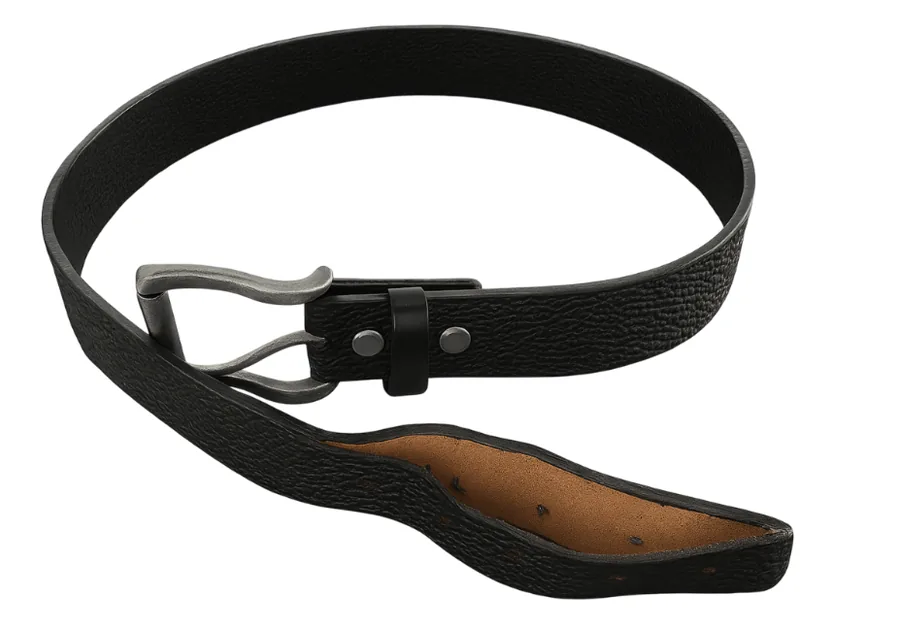
Real leather does not, but gluing two thin pieces around a filler is a common shortcut. Heat, damp and flexing work the glue line loose.
The Variani way
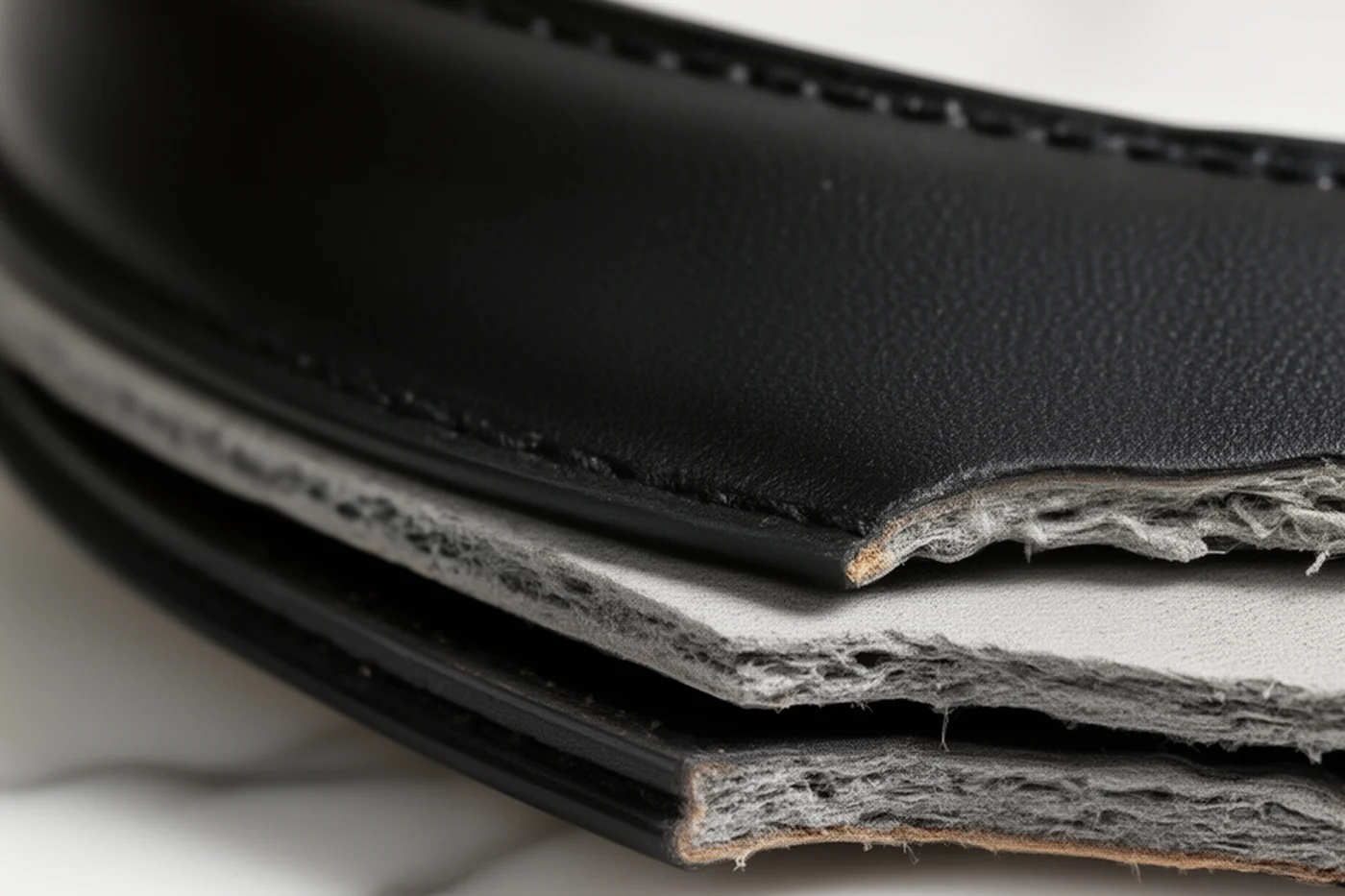
We will not glue a strap together. Each one is cut from a single piece of hide with no bonded layers and no cardboard filler, and the edges are hand-burnished with natural beeswax, about fifteen minutes a belt, so they close up smooth instead of fraying.

The finish is coming off in flakes and there is grey underneath.

The shortcut
Painting low-grade leather to look expensive is the cheapest trick in the trade. Dry prairie air and grit wear that paint thin until it lifts.
The Variani way
Our aniline leather is dyed through, never painted on. There is nothing to peel, and wear shows as a rich, darker patina instead.

Tired of buying another belt every fall because the last one gave out?

The shortcut
A cheap belt is priced to be replaced, and the small purchases quietly add up. Each one also ends up in the landfill.
The Variani way
Bian makes one belt at a time, by hand, in real, thick cowhide. It is made tough and built to last a lifetime, so it is the last belt you need to shop for.

My everyday belt will not go through the loops on my dress trousers.

The shortcut
Most brands save by making one width for jeans and another for suits. You end up buying and storing two.
The Variani way
Every Variani is 1 3/8 inch wide, a width Bian chose so one belt fits dress trouser loops and still looks right with jeans and work pants. It is strong enough to carry a tool belt and good-looking enough for your best suit.

Medium pinches and large hangs halfway to my knee.

The shortcut
S, M and L sizing is a manufacturing shortcut that leaves you guessing. The result is a flapping tail or a new hole punched with a nail.
The Variani way
Bian studied fashion in London and Milan and has dressed celebrities for black-tie events, so he sizes a belt the way a tailor would: every even waist size from 26 to 58. Measure a belt that fits, or use your usual trouser waist.

Why do I get a red, itchy patch where the buckle sits?

The shortcut
Plated alloys can contain metals that some skin reacts to. Once the plating wears, the reaction often gets worse.
The Variani way
Our buckles are solid hypoallergenic stainless steel. Nothing is plated on, so nothing new is exposed as it wears.

The tag said genuine leather, so how did it fall apart?

The shortcut
Here is the uncomfortable truth: genuine leather has become a marketing trick. It is the lowest grade, often a shredded base that is painted and stamped with a fake grain.
The Variani way
Bian has bought from one famous tannery in Santa Croce, Tuscany, in person, for about 30 years. He inspects the hides himself and turns most of them away, and what passes becomes 100% full-grain aniline Italian leather in your belt.
Built for Saskatchewan

Built for harvest season and the drive to town.

In Saskatchewan a belt is a working tool. It rides in a truck, climbs in and out of equipment and carries a phone or a multitool all day. Thin bonded belts stretch at the holes, the plated buckle wears through to grey metal, and in deep cold the painted surface cracks.

Variani belts are made the old way: cut from one thick piece of full-grain Italian cowhide, with no filler, no glued layers and no plastic finish. The buckle is solid stainless steel. It is a belt you buy once, not every fall at the farm store.

Freetracked shipping to every SK address
26 to 58every even waist size
0glued layers, painted coats or plated buckles
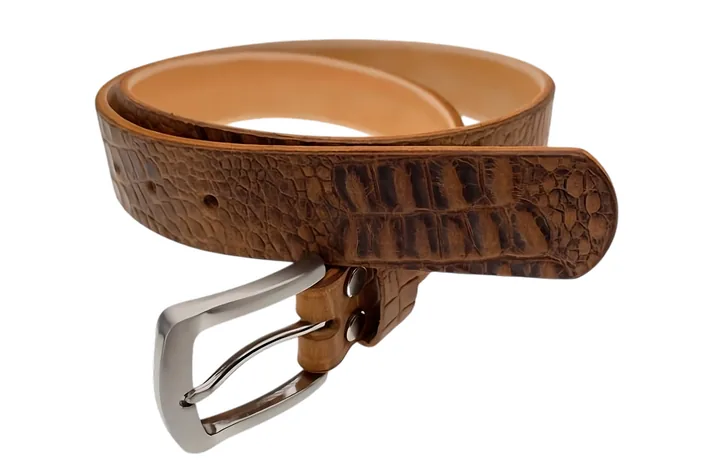
Variani #VAR015 handmade full-grain leather belt

Working days

Heavyweight 10 oz full-grain leather keeps its shape and its holes under daily load. #VAR012 and #VAR001 are the thickest-feeling options.

Dry prairie cold

Cold, dry air pulls moisture from leather. A light conditioner before winter keeps full-grain supple for years.

Long distances

Free tracked shipping to every Saskatchewan address, so rural customers pay the same as Saskatoon and Regina.

Where we deliver in Saskatchewan

Every order leaves the Vancouver workshop with tracking, free, and with no duty to pay. Most Canadian orders arrive in 3 to 7 business days; remote and fly-in communities can take longer. Some of the places we ship to:

  • Saskatoon
  • Regina
  • Prince Albert
  • Moose Jaw
  • Swift Current
  • Yorkton
  • North Battleford
  • Estevan
  • Weyburn
  • Lloydminster
  • Humboldt
  • Melfort
What you are actually buying

Slice a hide in half and you can see where the corners get cut

Wondering why two belts that both say leather can last six months or a lifetime? It comes down to which layer of the hide they were cut from, and we only use the top.

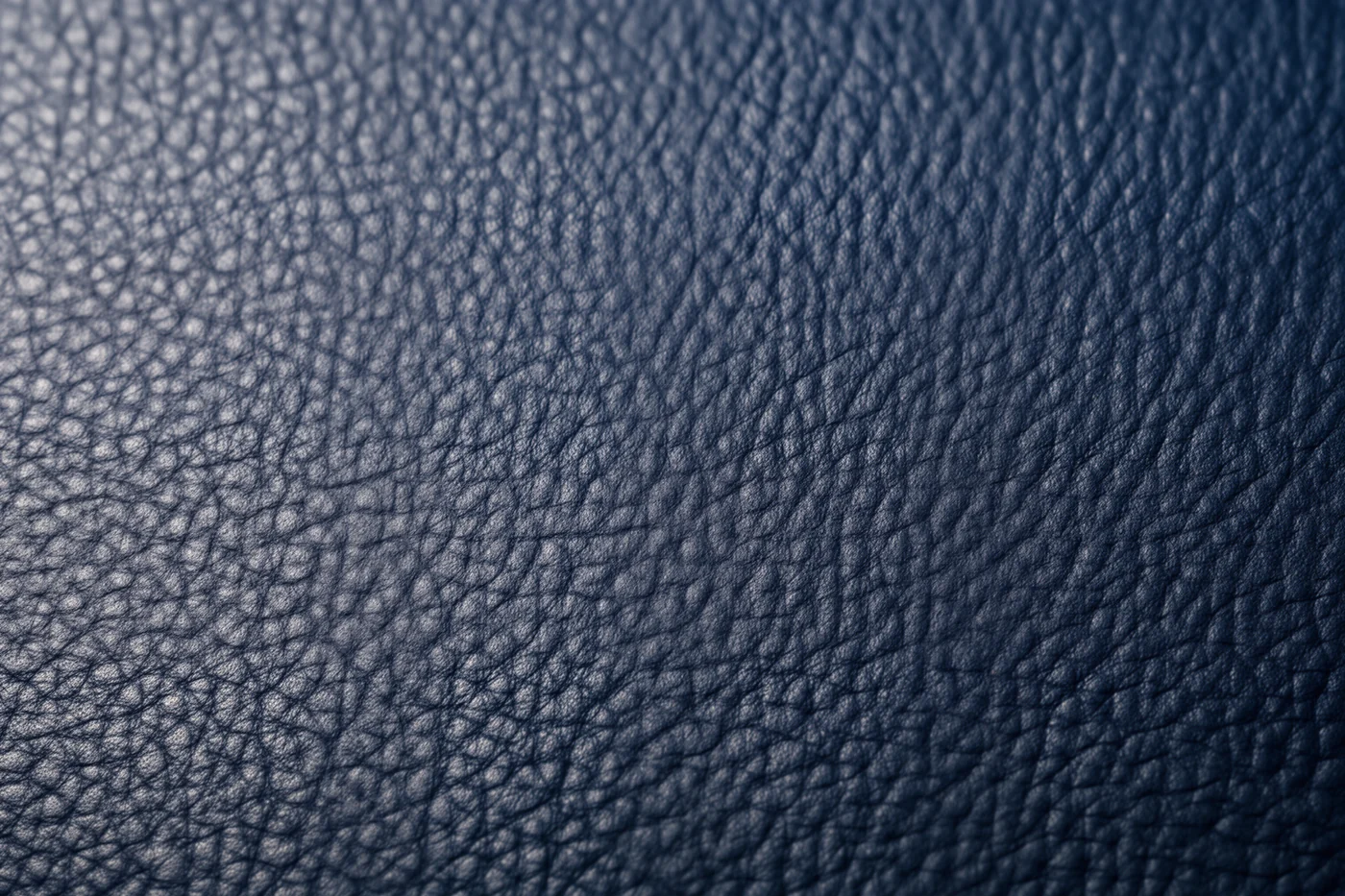
Macro photograph of slate blue full-grain leather showing natural pores and creases
What Variani uses

Full-grain

The very top of the hide with its natural surface left alone. It is the toughest, most beautiful layer and it darkens into a patina as you wear it.

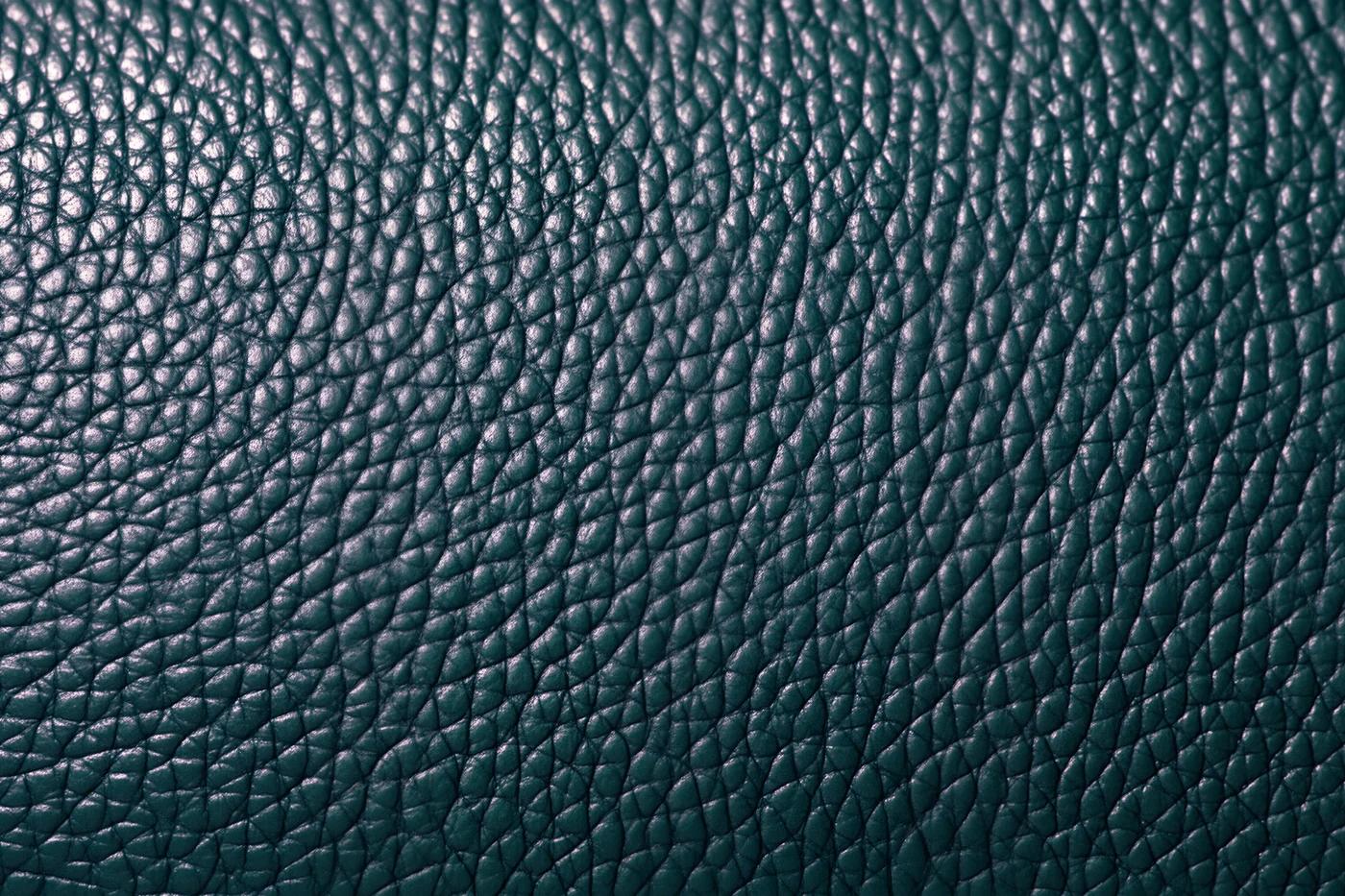
Close-up of corrected-grain leather with a uniform stamped pattern and sprayed finish
What we refuse

Top-grain or corrected

The surface is sanded off, then sprayed and stamped with an artificial grain. It looks neat at first but has lost the strength that was sanded away.

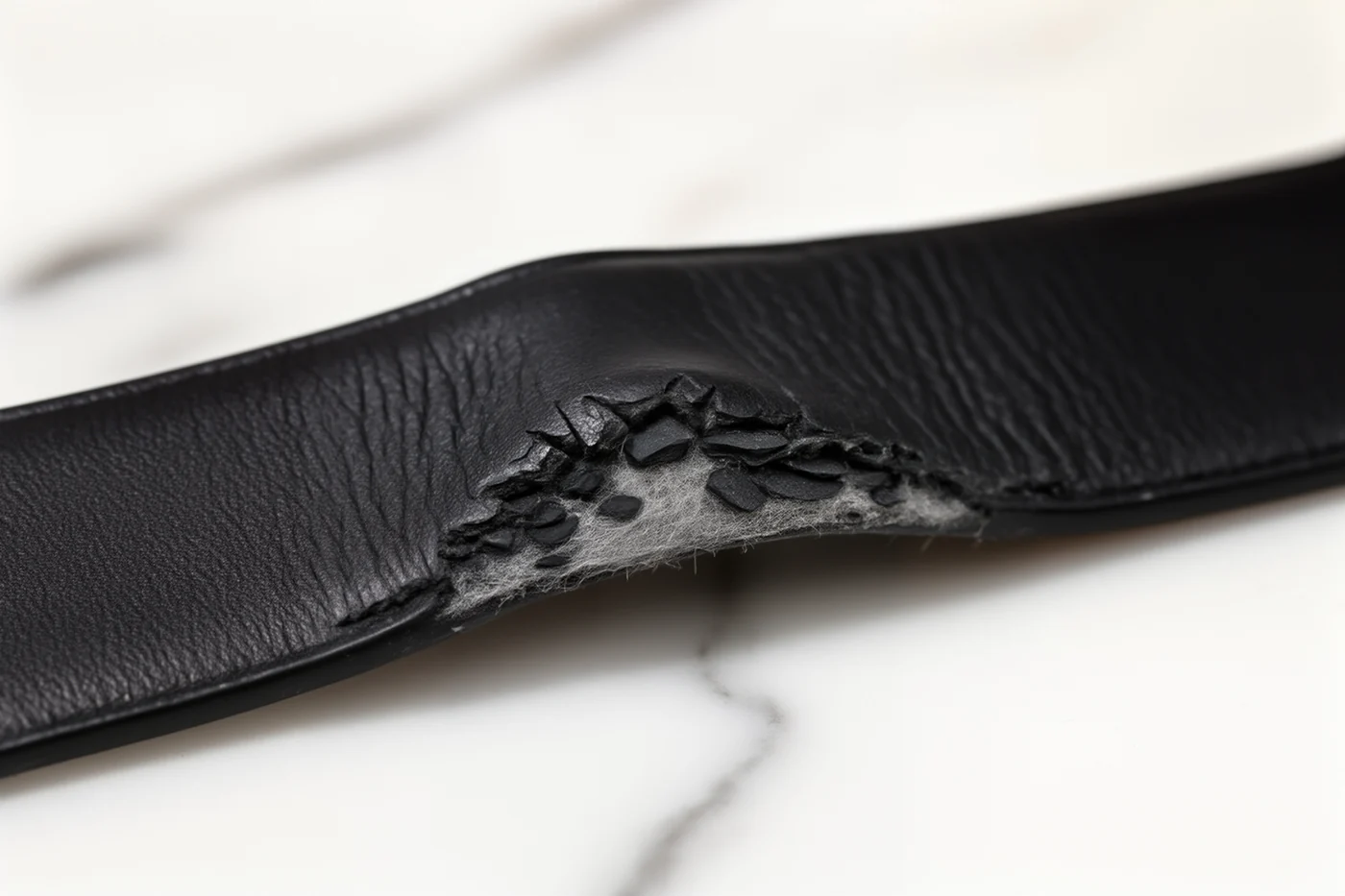
A cheap imitation leather belt strap with its painted coating cracking and flaking along a crease
What we refuse

Genuine leather

A lower split of the hide, painted and stamped to imitate the top. The name sounds like a promise, but in the trade it marks the bottom grade.

The edge of a bonded leather belt splitting into glued layers with a filler core
What we refuse

Bonded leather

Scraps shredded and glued back into a sheet, sometimes around a filler core. It is the shortest shortcut of all.

Before you buy any belt

Five checks that expose a cut-corner belt before you pay

Burned by a fake before? You only need your hands and a careful look to avoid it next time.

A peeling 'genuine leather' belt with its painted coating coming away from the base
  1. Read the tagGenuine leather and bonded leather are grades, not compliments. If the tag does not say full-grain, assume it is not.
  2. Look at the edgeOne solid piece of leather looks dense and even through the edge. Visible layers, a glue line or a painted strip means it was built up.
  3. Study the surfaceReal grain has small irregular pores and marks. A pattern that repeats perfectly was pressed in by a machine.
  4. Bend it hardFold the strap tight near the buckle. Fine cracks or a plastic sheen on the curve point to a coating.
  5. Weigh the buckleSolid stainless steel feels heavy and cool in the hand. A light buckle with a bright finish is usually plated zinc.
The real cost of a cheap belt

One designer belt against ten years of cheap ones

Tired of paying for the same cheap belt over and over? Here is how one belt made without shortcuts compares across a decade.

A $35 mall belt, replaced every year$350
An $80 department-store belt, replaced every 3 years$320
One Variani belt at $149 USD$149

Illustrative example over 10 years. Variani belts are made to be worn for decades; your results depend on use and care.

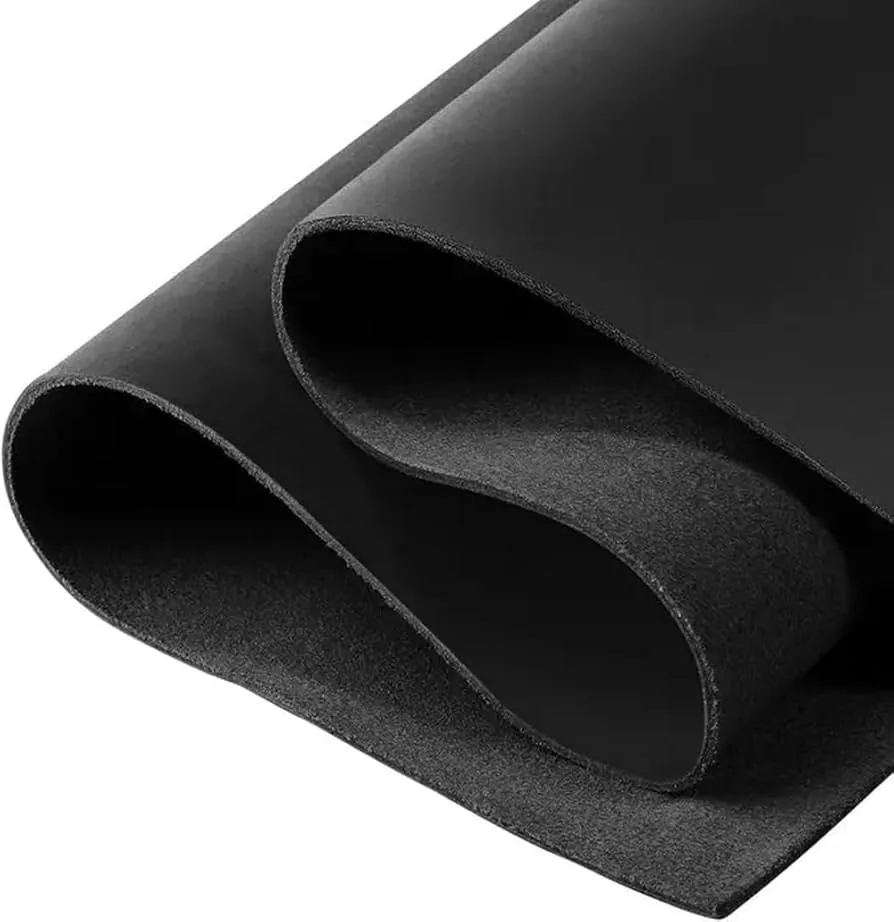
A roll of black full-grain Italian leather before it is cut into belts
Sizing

A made-to-size fit, the first time

  1. Measure a belt you likeLay a belt that fits you flat on the table. Measure from where the leather meets the buckle to the hole you use most.
  2. Or use your trouser sizeYour usual trouser waist size works well too. It is on the label of most pants in your closet.
  3. Between sizes, go upWe make every even size from 26 to 58. If you land between two, choose the larger one.
  4. Still unsure, ask BianCall, text or WhatsApp +1 (604) 800-4009 or email info@variani.com. You will hear back from the designer who makes the belt.

Open the size chartCall +1 (604) 800-4009

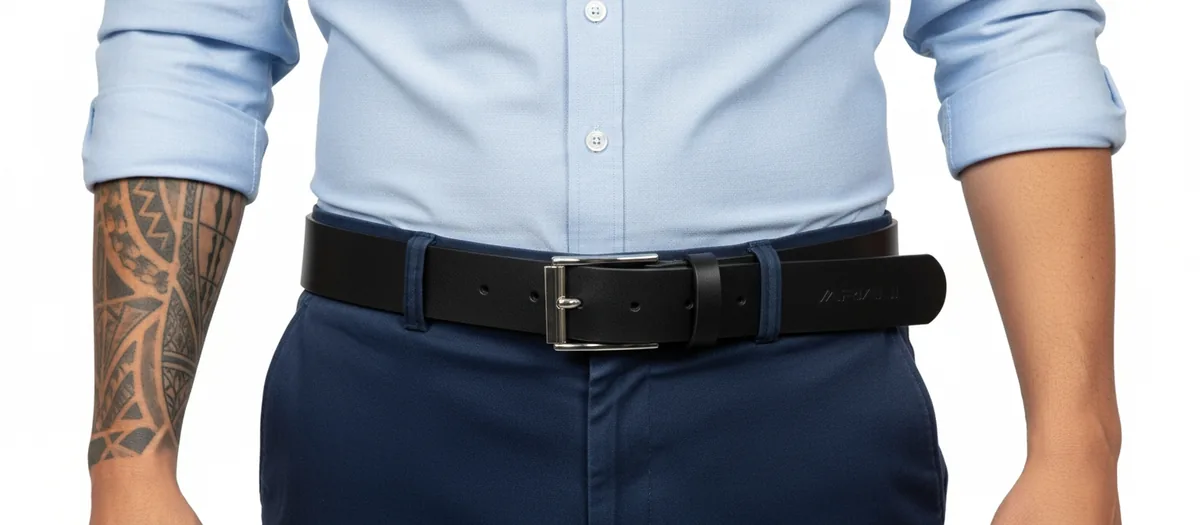
A black Variani full-grain leather belt worn with dress trousers and a shirt
Care guide

Keeping a fine belt handsome through a Saskatchewan year

Worried that dust, sweat and deep cold will spoil good leather? They will not, if you give it a few quiet minutes a year.

ConditionWhat you will seeWhat to do
Dry prairie wintersDryness, stiffnessCondition before winter and once in spring.
Dust and field workGrime in the grainBrush off, wipe with a damp cloth, let dry, condition.
Hot summersSweat marksAir out overnight; never dry in direct sun on a dashboard.
Every 6 to 12 monthsNormal drying with ageA thin coat of leather conditioner, buffed off after 10 minutes.
In the box

What arrives with your belt

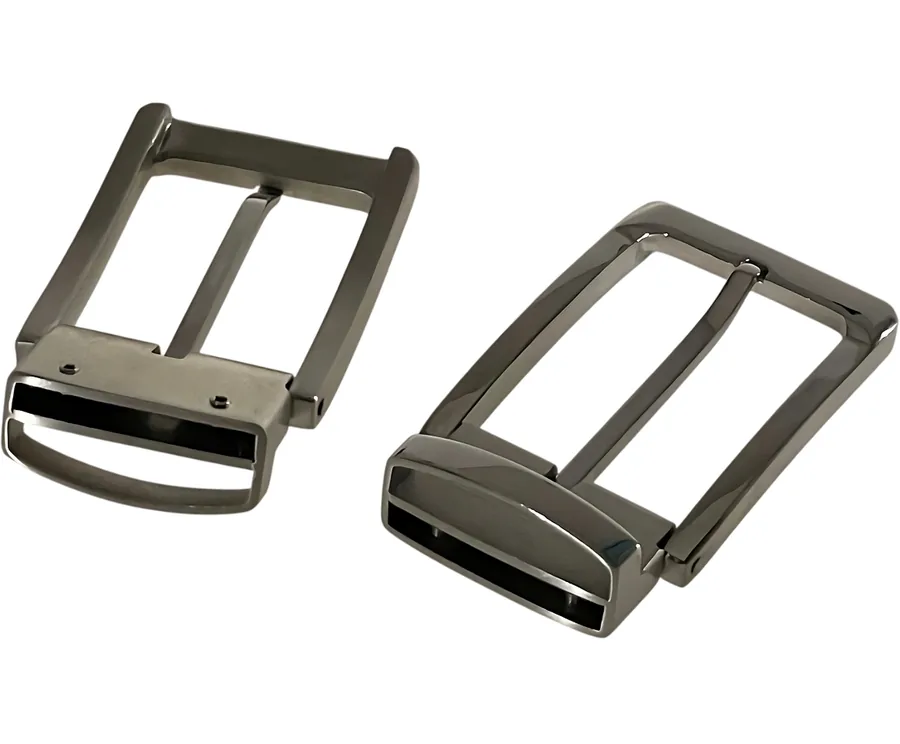
Two solid stainless steel Variani belt buckles

Solid 316L stainless buckle

The same alloy family used in medical implants, hypoallergenic and steel all the way through, with no plating to wear thin.

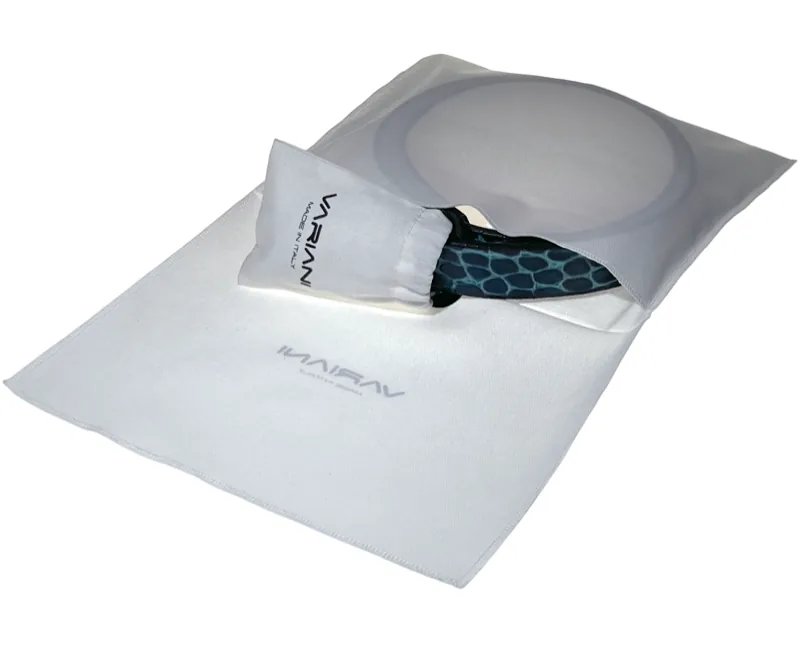
Variani belt in its protective travel bag

Travel bag

A free bag that keeps the belt clean in a suitcase or a carry-on out of Saskatoon or Regina.

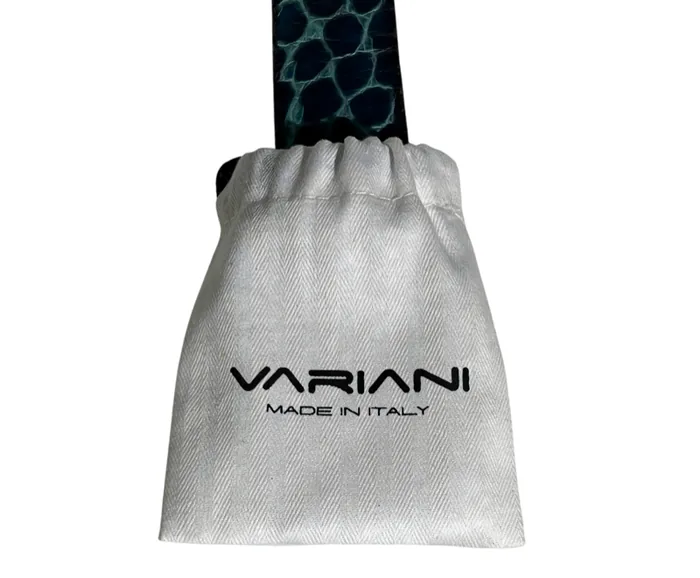
Variani buckle sheath

Buckle sheath

A free cover that stops the buckle from marking anything packed beside it.

Questions, answered

Frequently asked questions

Do you deliver to rural Saskatchewan?

Yes. Shipping is free and tracked to any Saskatchewan address. Most orders arrive in 3 to 7 business days, and rural routes can add a day or two.

Which Variani belt is toughest?

The heavyweight straps: #VAR012 is 10 oz full-grain leather, and #VAR001 is our thick gun-belt style with heavy hand stitching. Both carry tools without stretching.

Is there a Variani store in Saskatoon or Regina?

No. Every belt is made in Vancouver and sold online. You can talk to the maker directly on +1 (604) 800-4009 by phone, text or WhatsApp.

What is the actual difference between full-grain and genuine leather?

Full-grain is the top 1 to 2 percent of the hide with its natural surface intact, the strongest and best-looking part. Genuine leather sounds reassuring, but it is the lowest grade, usually a lower split painted to imitate the top. Full-grain ages into a patina, while genuine leather tends to peel and crack.

Why do cheaper belts peel and crack so fast?

Most are low-grade or bonded leather under a painted or plastic coating, which is a shortcut to make them look better than they are. The coating cannot flex the way leather does, so it cracks at the fold and peels at the edges. In a Saskatchewan winter the cold makes that coating brittle even sooner.

How do I pick the right size?

Measure a belt that fits you from where the leather meets the buckle to the hole you use most, or use your usual trouser waist size. We make every even size from 26 to 58. If you are between sizes, pick the larger one.

Will I pay duty or customs on an order to Saskatchewan?

No. We ship from inside Canada, so there are no customs fees or duties for Canadian orders. Shipping is free and tracked, and orders usually arrive in 3 to 7 business days, with northern and remote communities sometimes taking longer.

What is your return policy?

We offer a limited 30-day conditional satisfaction guarantee, counted from confirmed delivery. The belt must be unused and in its original condition. The remedy is an exchange, store credit or a refund, at our discretion, and the full terms are on our return policy page.

Why are prices shown in US dollars?

Our belts are priced in USD at $149, $199 or $349 depending on the model. Your card converts the amount to Canadian dollars at checkout.

How should I care for the belt?

Wipe off dust, sweat or road salt with a lightly damp cloth and let it dry at room temperature, away from heaters. Condition it once or twice a year and store it hanging or loosely coiled. If it has been in a cold car overnight, let it warm up before bending it hard.

Luxury leather belts · Handmade in Vancouver

Done with belts that cut corners? Wear one that never did

A luxury belt in solid, thick cowhide from an atelier established in 1988, handmade in Vancouver and shipped free anywhere in Saskatchewan.